What Is a Magnetic Chalkboard?
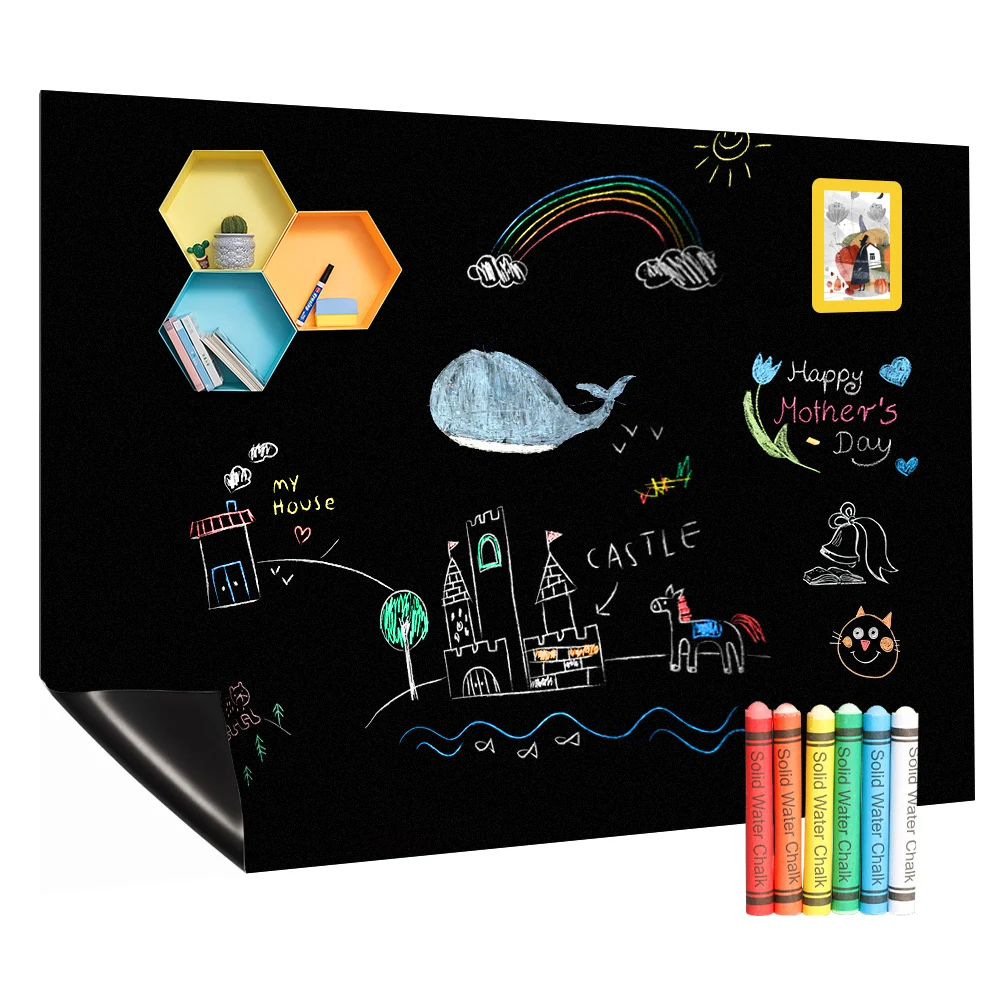
A magnetic chalkboard combines a matte chalk-writing surface with a magnetic layer, letting you write with chalk or liquid chalk markers and attach magnets to the same panel — without needing two separate boards. Products in this category are available as flexible self-adhesive film, rigid wall-mounted sheets, or soft rollable panels, with surface colors in classic black and green. They are used in classrooms, offices, children's rooms, kitchens, and any space where writable and magnetic display functions are needed together.
As a procurement decision-maker, the first question worth answering is: do you need the chalk function, the magnetic function, or both? In most classroom and kids' room applications, the combined magnetic chalkboard addresses both needs in a single product — which matters when wall space is limited or when you want to reduce the number of display tools in a room.
Key Product Characteristics
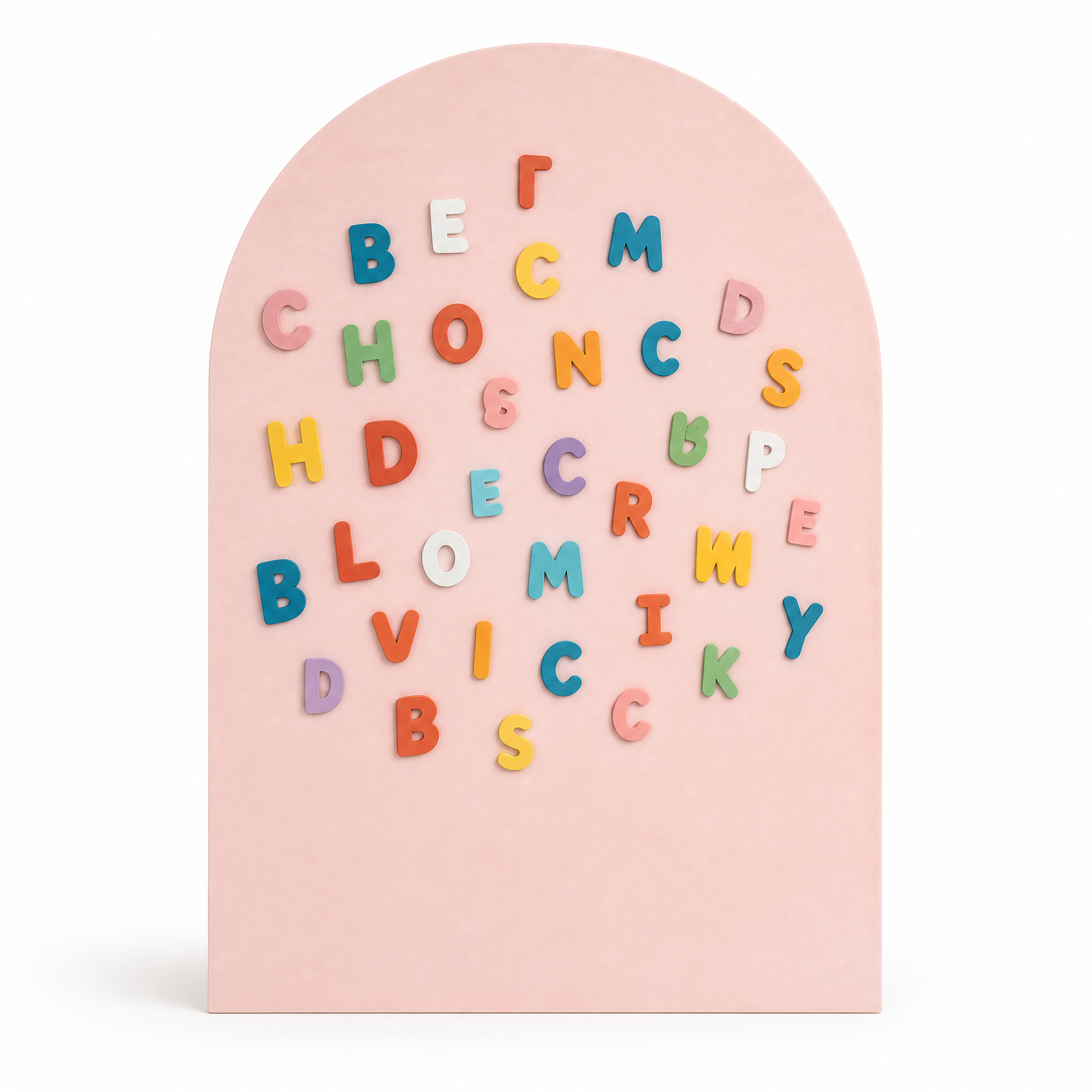
Dual-function surface: Chalk-writable matte finish (black or green) with a magnetic base layer that accepts standard magnets, letter cards, and photo holders — practical for classrooms that need both note-writing and material display at the same time.
Flexible film and rigid sheet formats: Flexible PET or PVC film versions apply to fridges, lockers, filing cabinets, and existing boards without drilling. Rigid versions mount directly on walls using standard hardware or self-adhesive backing.
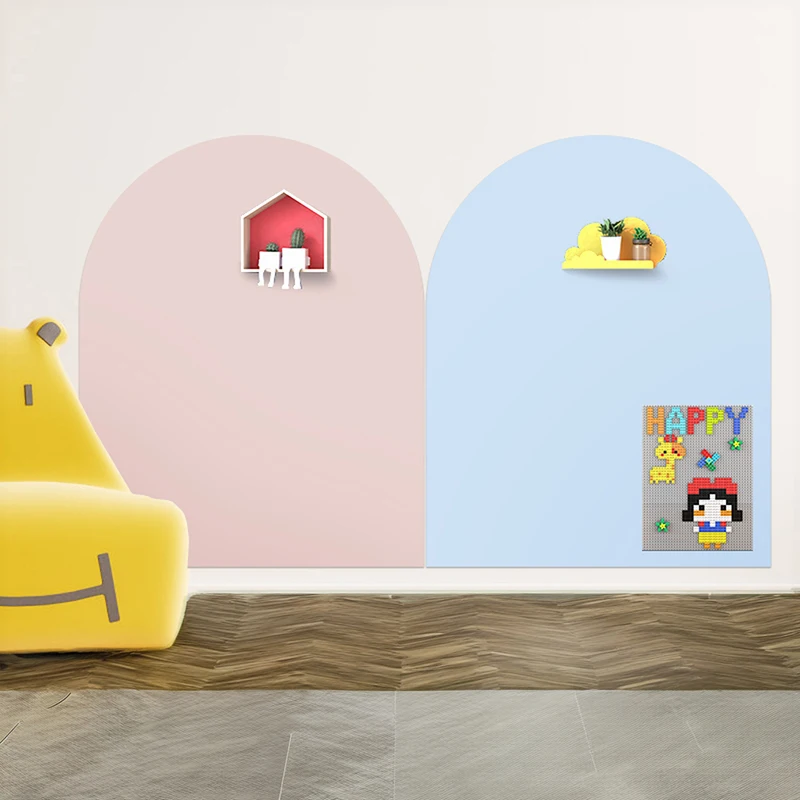
Self-adhesive, no-drill installation: Several products in this range use pressure-sensitive adhesive for direct wall application — particularly useful in rented spaces, older buildings, or classrooms where wall drilling is restricted.
Custom sizes with no minimum order quantity: Sizes range from compact 100×60 cm panels to large custom formats up to 20×1.2 m. Suppliers typically accept OEM orders with no MOQ, making them accessible for small institutions testing a format before committing to larger quantities.
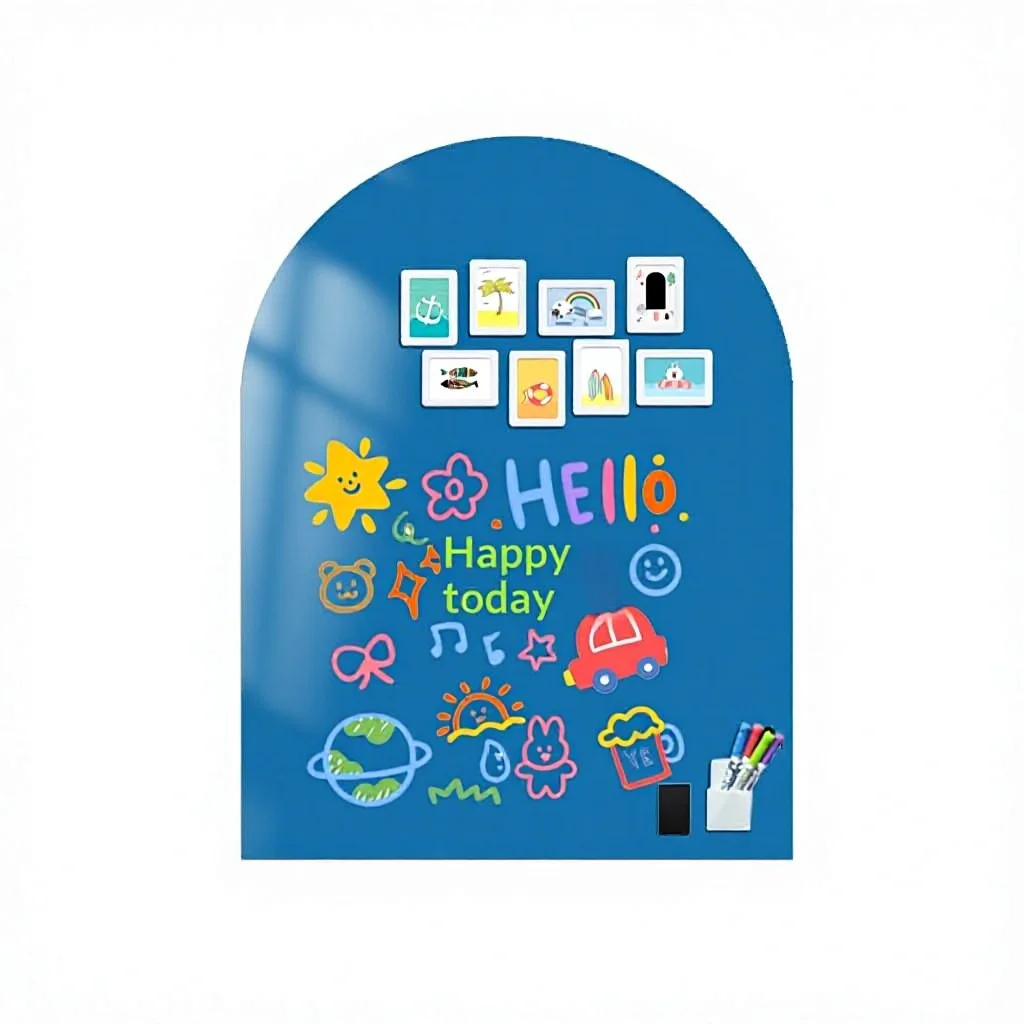
Child-friendly shapes: Arch and house-shaped formats are available for kids' rooms and early childhood education settings. In children's environments, confirming that edge corners are rounded and surface materials are non-toxic is an important step before finalizing a purchase.
Easy-clean surface: Standard chalk dust wipes off with a damp cloth. Liquid chalk markers require slightly more effort. Surfaces rated for six or more months of consistent erasability are worth prioritizing for high-frequency classroom use.
Common Applications
Magnetic chalkboards serve a wide range of environments. In schools and kindergartens, they are used for daily writing, displaying lesson materials alongside magnetic cards, and organizing activity schedules. The magnetic layer makes it easy to attach a whiteboard month calendar, a color-coded timetable, or printed reference sheets directly to the board surface — no extra pins or tape required.
In home settings, flexible magnetic chalkboard sheets apply directly to fridge surfaces for use as a magnetic photo calendar for fridge display, grocery list writing, or children's artwork. The self-adhesive PET film versions typically remove cleanly without leaving residue. Offices use magnetic chalkboard panels in meeting rooms and open-plan spaces for brainstorming boards, task tracking, and project timelines.
For buyers looking for a versatile panel that works across multiple setups, an 18 x 24 magnetic whiteboard with a chalk-compatible surface covers desk-adjacent use, locker display, and light classroom application without requiring permanent wall mounting.
Cultural and advertising environments are another segment: flexible rollable formats with custom printing allow rapid visual updates at exhibitions and retail spaces where displayed content changes frequently.
How to Choose the Right Magnetic Chalkboard
Most first-time buyers start by comparing price, then focus on size, and eventually realize that surface type and mounting method are the decisions that most affect day-to-day usability. The following sequence tends to produce better outcomes than starting with price alone.
Confirm the surface function priority. If chalk writing is the primary need, prioritize a matte black or green surface with good chalk adhesion and easy wiping. If holding heavier display materials with magnets is the priority, ask the supplier to confirm the magnetic holding capacity per unit area before ordering.
Match size to available wall space. A common mistake is placing an order without measuring the net wall width between windows, doors, or existing fixtures — resulting in a board that cannot be installed as planned. Before confirming a size, measure the target wall and leave a margin of at least 5 to 10 cm on each side. In many projects, a 90 cm panel ends up being the practical choice over a 120 cm option not because the larger size is worse, but because the classroom front wall simply does not have 120 cm of clear installation space.
Choose the right mounting method for the wall type. Self-adhesive film holds well on smooth painted walls and metal surfaces. For textured or rough walls, a drilled-mount version with appropriate anchors is more reliable. In lightweight-steel-frame buildings, confirm load capacity before selecting heavier rigid boards.
Factor in the use environment. In kindergartens and primary school classrooms, surface and edge safety matter — corners should be smooth and materials should be confirmed as non-toxic and low-dust. For humid environments in coastal or southern regions, check whether the product documentation includes moisture-resistance notes.
Request samples before bulk orders. Testing a single unit in one classroom before committing to a full-school configuration is more cost-effective than discovering a fit issue after a large shipment arrives. Because most suppliers in this category offer OEM sizing with no MOQ, sample runs are feasible without a large minimum commitment.
For buyers supplying European or North American markets, asking for CE, BSCI, or ROHS certification documentation helps confirm that materials meet regional safety and chemical restriction requirements — important for import compliance and for institutional procurement processes that require formal safety documentation.
Why This Category Works for Both Institutional and Retail Buyers
The magnetic chalkboard category serves buyers at different scales: a teacher equipping a single classroom, a school district configuring dozens of rooms, an Amazon or Shopify seller building an education-focused product range, or a retail chain buyer selecting items for uniform shelf assortment. The no-MOQ custom sizing model makes it practical to source small quantities for evaluation, then scale to full bulk once the format is confirmed in use.
For educational institutions managing multiple classrooms, standardizing on a single magnetic chalkboard format across rooms simplifies installation, maintenance, and reordering. Suppliers that offer both flexible film and rigid sheet formats from the same production line can typically match size and surface color across format types — relevant when boards are installed side by side in corridors or connected classrooms where consistent appearance matters.
The broader shift toward interactive and frequently updated classroom displays is increasing demand for products that serve both as a writing surface and as a magnetic display panel. Rather than dividing wall space between a separate whiteboard and a bulletin board, a combined magnetic chalkboard uses a single footprint for both functions — a practical consideration in rooms where available wall area is already divided between display zones, windows, and door clearances.
The clearest starting point for any procurement in this category is a specific use-case statement: who will use the board, how often, in what physical space, and whether the emphasis is on writing performance, magnetic holding strength, child safety, or ease of installation. That starting point narrows the selection far more reliably than comparing listings by price or dimension alone.
 EN


 Inquiry