What Are Magnetic Educational Toys?
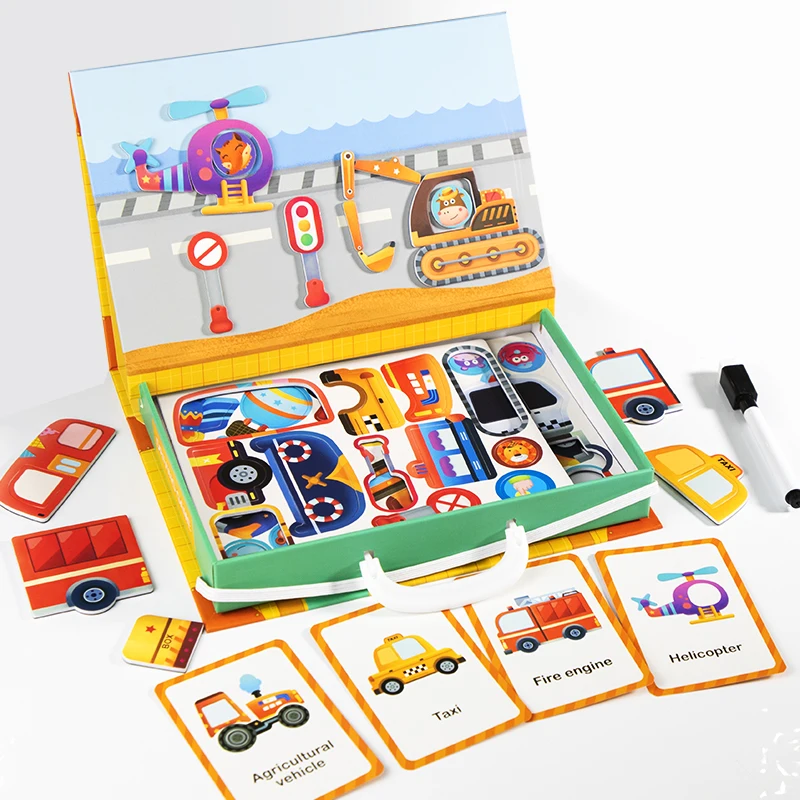
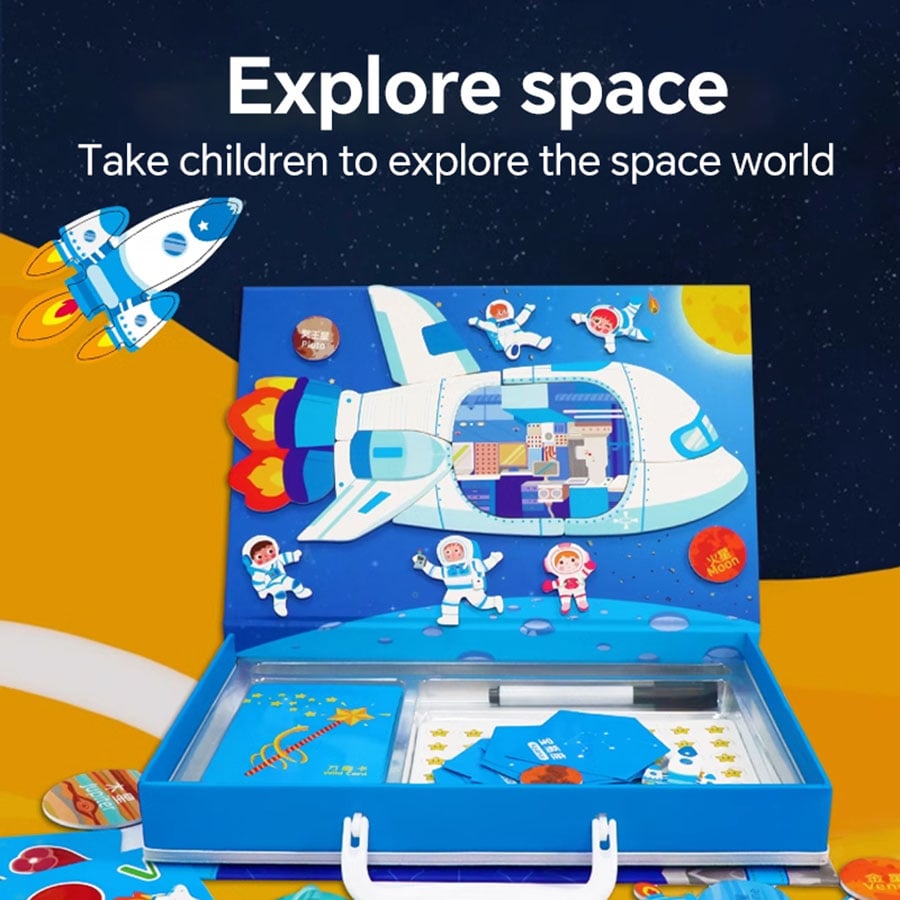
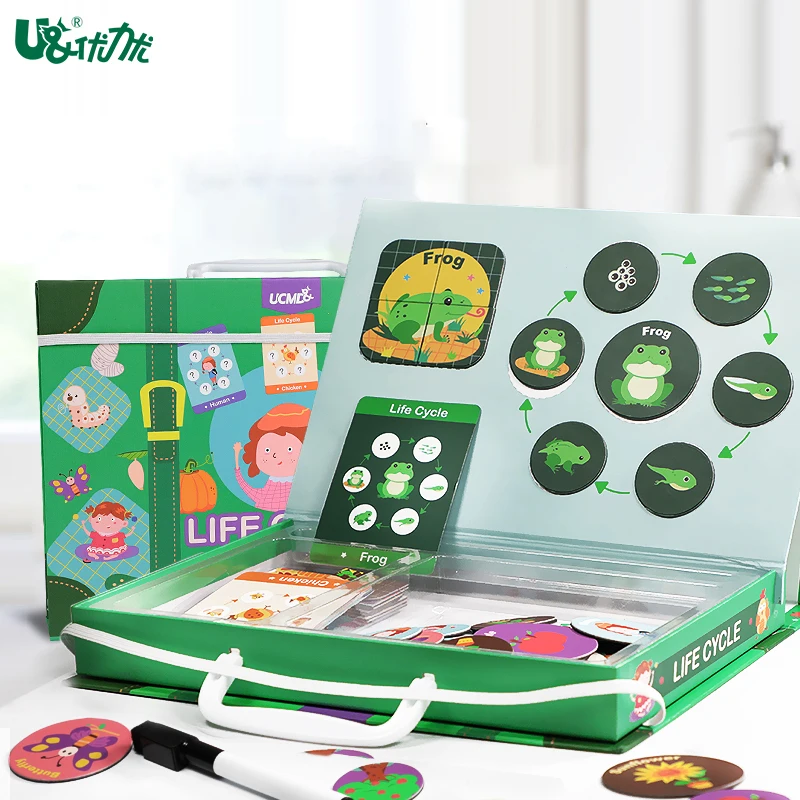
Magnetic educational toys are hands-on learning tools that use soft rubber or EVA foam magnetic pieces to help children explore numbers, letters, shapes, traffic rules, and natural science through play. Unlike static worksheets, magnetic educational toys let children physically arrange, match, and rearrange content on magnetic surfaces — turning abstract knowledge into something they can touch, sort, and rebuild. For preschools, kindergartens, and early childhood education programs, magnetic educational toys offer a bridge between play and structured learning that engages children aged 3 and up across multiple subjects. Products in this category include magnetic traffic and math puzzle suitcases, life cycle learning boards, and themed magnetic height rulers — all built with non-toxic materials and certified to CE and BSCI standards.
Key Product Characteristics of Magnetic Educational Toys
Magnetic educational toys in this category share a common foundation: soft rubber or EVA foam magnetic pieces that are safe, flexible, and durable enough for repeated classroom and home use.
Soft rubber and EVA foam construction: Flexible magnetic pieces reduce injury risk during active play. The material resists tearing and holds its shape even after sustained daily use — an important feature for kindergarten environments where magnetic educational toys are handled by multiple children throughout the day.
Multi-subject educational content: These magnetic educational toys cover traffic safety awareness, mathematical operations (addition, subtraction, counting), plant and animal life cycles, and personal growth milestones, making them practical for consolidated sourcing by education product integrators.
Interactive Q&A card systems: Several kits include structured Q&A cards that extend hands-on play into a guided learning exercise, giving teachers a ready-made teaching framework without extra preparation time.
Portable suitcase formats: Many magnetic educational toys feature foldable suitcase designs that open into a magnetic drawing board, making them easy to carry between classrooms and store efficiently.
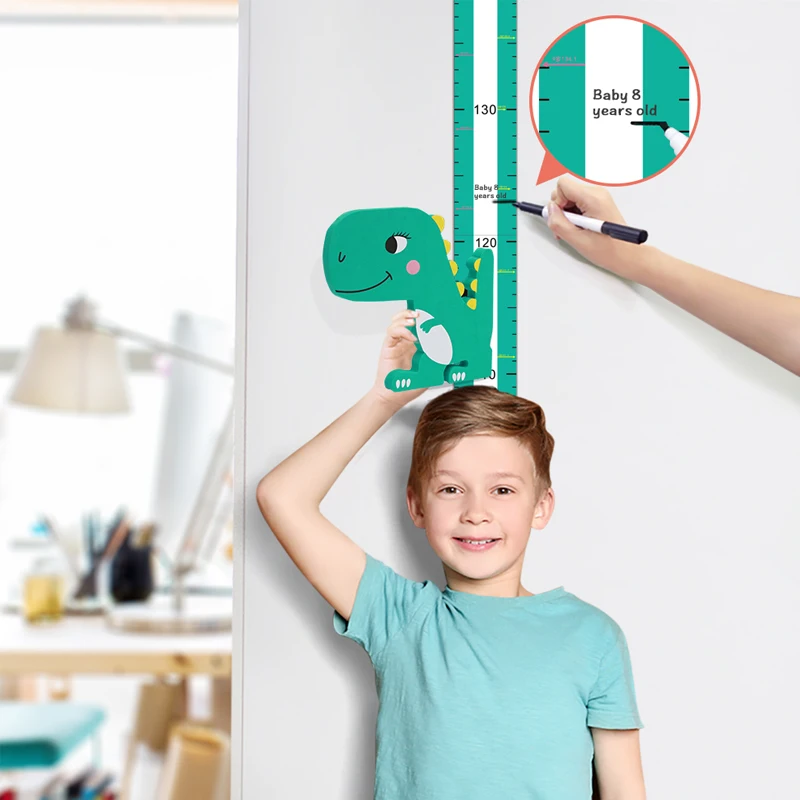
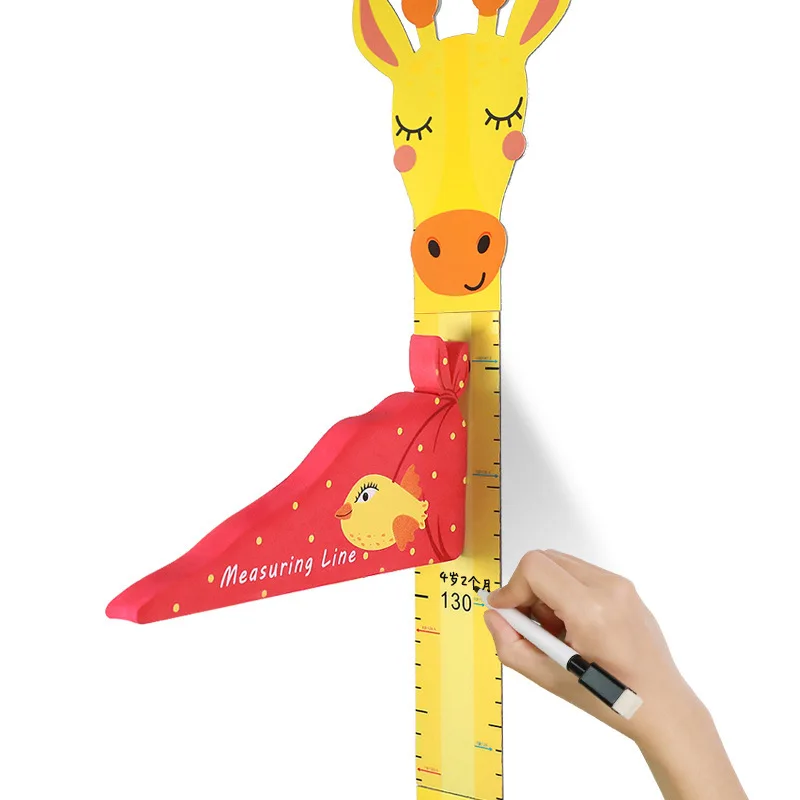
Dry-erase writable surfaces: Height charts and certain puzzle boards include erasable surfaces so children can update entries over time, extending the useful life of each magnetic educational toy.
CE and BSCI certification: These magnetic educational toys are manufactured under CE and BSCI certification standards, supporting compliance for buyers importing into European markets or listing on platforms that require safety documentation.
No minimum order quantity: Magnetic educational toys in this category are available without MOQ restrictions, allowing small institutions, independent sellers, and first-time wholesale buyers to source flexibly.
Common Applications
Magnetic educational toys serve a wider range of settings than buyers sometimes expect. Common use cases include:
Preschool and kindergarten classrooms: Magnetic educational toys like puzzle sets and life cycle boards are widely used in early childhood education. Teachers appreciate that children can self-correct without reprinting materials, keeping classroom flow uninterrupted.
Elementary school math and literacy: Math puzzle suitcases with counting and arithmetic pieces make abstract operations visible and hands-on for children in grades 1 through 3, complementing standard curriculum tools.
Home early learning setups: The compact suitcase format makes these magnetic educational toys practical for home use as well. Parents sourcing for family settings frequently choose these kits as screen-free learning alternatives.
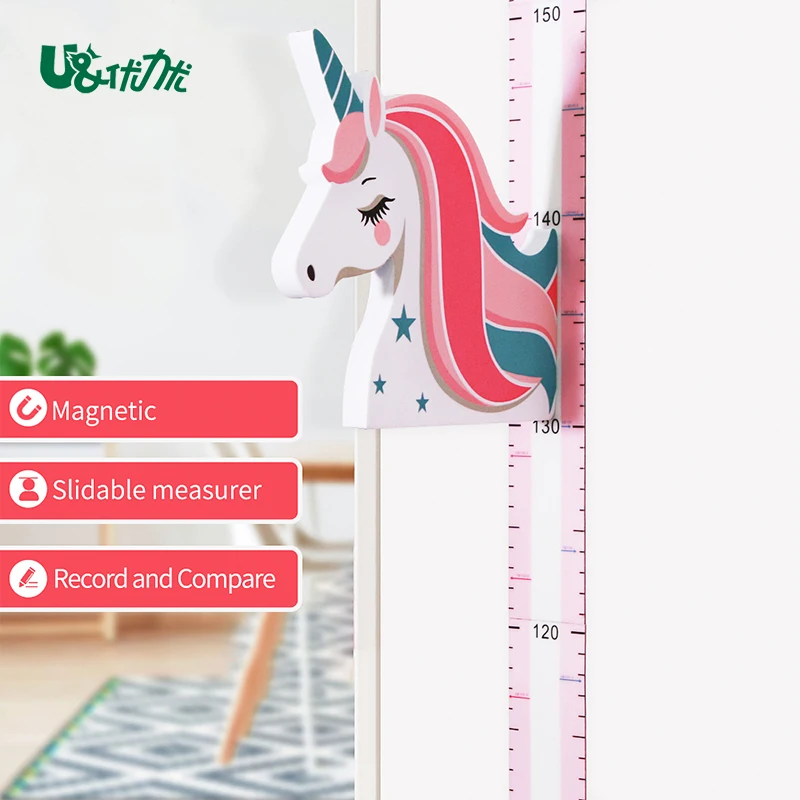
Children's room decor and growth tracking: Magnetic height rulers — in dinosaur, unicorn, whale, and duck themes — serve as both room decor and functional growth trackers. Gift-box packaging makes them popular for retail buyers targeting holiday and birthday gifting windows.
Retail and wholesale channels: Amazon and Shopify sellers, overseas retail chains, and educational distributors commonly stock these magnetic educational toys in their toy and educational supply sections. Themed designs with visual appeal align well with consumer gifting intent across seasonal listing cycles.
How to Choose Magnetic Educational Toys for Your Channel
Selecting the right magnetic educational toys starts with understanding who the end user is, what age group you are serving, and whether this is a one-time purchase or a recurring supply arrangement.
For institutional buyers — preschools, kindergartens, and training institutions — safety documentation is the first filter when evaluating magnetic educational toys. Products intended for children under 8 require clear age labeling and should carry CE certification for European import compliance. Buyers sourcing for North American retail may also want to verify ASTM F963 alignment. Confirming specific documentation requirements with import or retail compliance teams before finalizing orders is standard practice.
In our experience, most first-time bulk buyers of magnetic educational toys underestimate how many individual pieces get misplaced over a school year. Kits with higher piece counts — such as the math puzzle set with 93 rubber magnets and 41 Q&A cards — tend to perform better over a full academic cycle than minimum-piece alternatives. Buying one kit per classroom type and gathering teacher feedback after four to six weeks before committing to full volume is a reliable way to reduce sourcing risk.
For retail buyers sourcing magnetic educational toys for Amazon listings or Shopify stores, themed visual appeal and packaging format are as important as educational content. Height charts with gift-box packaging sell well in gifting windows because the product communicates its purpose visually. Custom printing is available for buyers developing branded SKUs.
Safety Standards for Magnetic Educational Toys
Safety documentation is the point where institutional and retail buyers diverge most sharply when sourcing magnetic educational toys. Institutional buyers — kindergarten administrators and school procurement teams — typically require formal test reports before placing orders and will specifically ask about small-part warnings and choking hazard compliance for use with children under 3.
The rubber and EVA foam construction used in these magnetic educational toys is inherently softer than rigid plastic, reducing impact risk during play. Products are labeled for ages 3 and up, with piece sizing and edge finishing that reflects age-appropriate use guidance. For buyers targeting EU and North American markets, requesting the full CE test report before a large order is standard practice. The ability to provide safety documentation for compliance review is worth confirming early in any supplier conversation.
Why Source Magnetic Educational Toys from a Specialist Supplier
Sourcing magnetic educational toys from a dedicated manufacturer typically provides better access to product specifications, safety documentation, and customization options than sourcing through a general trading company.
These products are designed and manufactured by Shenzhen U&U Magnetic Technology Co., Ltd., a specialist in magnetic materials including magnetic whiteboards, magnetic toys, magnetic color boards, and planning tools. This category focus means that material knowledge — rubber magnet performance, EVA foam density, dry-erase surface durability — is integrated into the product design from the start.
For buyers developing branded product lines — for Amazon private label programs, Shopify stores, or retail chain exclusives — custom printing and packaging are available for these magnetic educational toys. The supplier also offers complementary magnetic products including magnetic glass calendar displays for office and educational facility scheduling, as well as magnetic calendars with your logo for branded corporate or school environments. Buyers consolidating vendors across educational supply and office product categories will find the broader range useful.
For buyers evaluating a longer-term supply partnership, the absence of MOQ restrictions on magnetic educational toys makes it practical to test multiple SKUs at manageable volumes before scaling. This flexibility is particularly useful for overseas retailers and distributors who want to confirm sell-through performance in their market before committing to larger orders.
 EN


 Inquiry