 EN

Magnetic Whiteboards for Offices
Please tell us about your company's advantages and characteristics.
2026/09/03
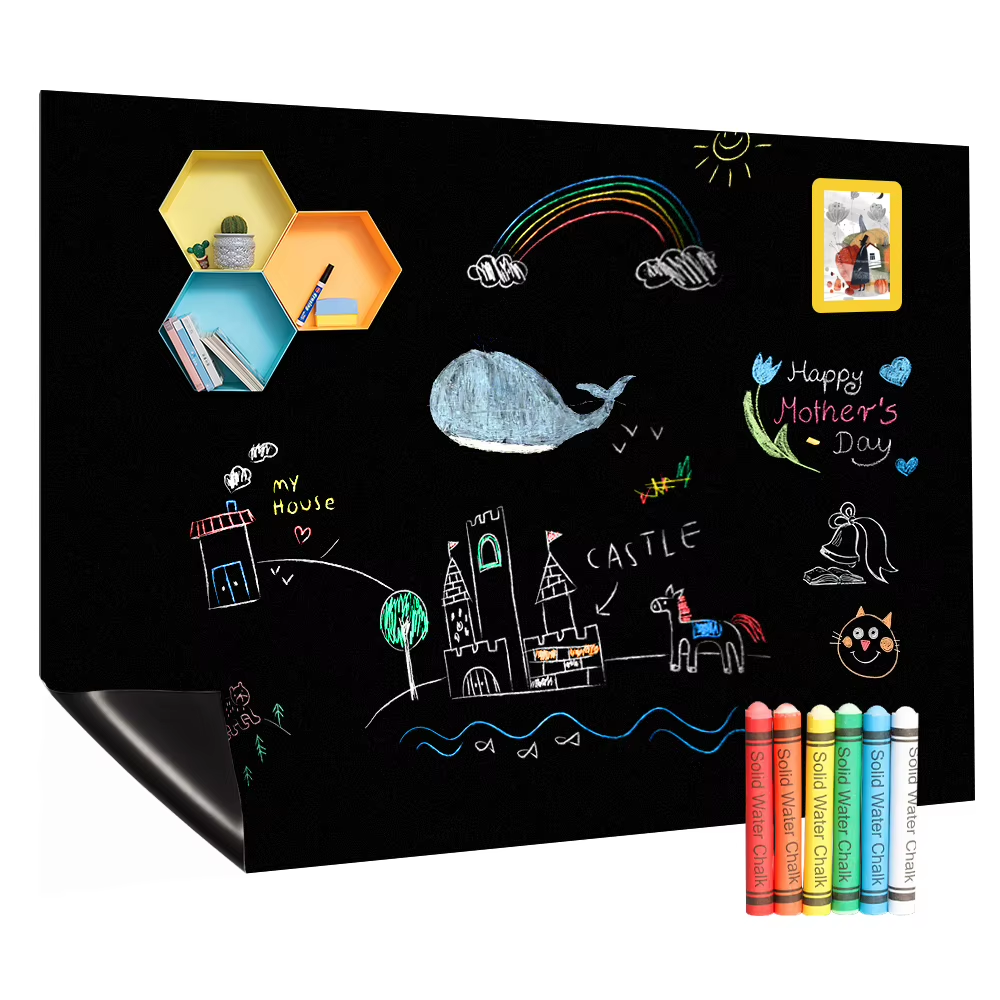
A two-shop convenience operator in Ontario kept missing promo changeovers because the schedule lived in a group chat that half the staff had muted. The change was low-tech: a magnetic calendar on the back of the drinks cooler, with promo weeks, delivery days and shift notes written in one place. Within a season, changeover mistakes became rare, because the magnetic calendar is read on the way to restock rather than after a phone is unlocked. Promo planning on a magnetic calendar also ends the argument about which message was current.
Both shops now use the same layout: a monthly grid across the top, a promo column down the right side, and a notes strip for supplier visits. One magnetic calendar per shop, written by the closing shift lead, photographed at handover. The photo matters as much as the board, since it creates a dated record of what was on promotion and when. Staff trust the magnetic calendar because everyone can see who wrote it and when.
Three failures repeat. Printed signs go up late and come down later. Whiteboards mounted on the wall get covered by deliveries. And a magnetic calendar bought for an office fails within weeks because the surface was never meant for daily rewriting. That third failure is the expensive one, since the board looks fine while the numbers on it become unreadable, and a magnetic calendar that ghosts badly is abandoned by the second month. A cooler door also swings. Anything mounted near the handle edge gets struck several hundred times a day, so placement matters as much as the product. Fit the magnetic calendar away from the handle side, where it stays clear of the swing arc and remains readable from the aisle.
Office dry-erase film is designed for a weekly meeting, not a daily promo change. A retail magnetic calendar needs a high-density polymer or enamel top coat that lets ink sit for weeks and still wipe clean with a dry cloth. Because a store magnetic calendar is rewritten every day, the coating specification matters more than the print design. Matte PET beats glossy laminate under fluorescent tube lighting, because gloss throws hot spots that hide handwriting at an angle, and a matte magnetic calendar also hides fingerprints better. Marker choice matters too. Fine-point markers dry faster and resist smudging when the door is opened and closed, while chisel tips suit headings. Keep both clipped to the magnetic calendar rather than in a drawer, because loose markers are the reason a board stops being updated.
The second specification is holding force, and the cooler door decides it. Austenitic stainless, common on food-grade equipment for its corrosion resistance, holds almost no magnet; ferritic stainless and painted steel hold well. Specifying the right magnetic calendar backing starts with a ten-second door test. A magnetic calendar with a full-sheet isotropic rubber magnet at 0.5 to 0.75 mm gives 40 to 50 grams per square centimetre, which suits a flat painted door. Curved or high-vibration doors need anisotropic backing at 70 to 90 grams per square centimetre.
The board sits in a food retail environment, so cleanability matters. The FDA Food Code requires non-food-contact surfaces in food establishments to be smooth, non-absorbent and easily cleanable, which argues for a sealed-edge magnetic calendar rather than a paper-framed one. A magnetic calendar mounted on a cooler door is not a food-contact surface, but it still sits inside a food establishment. OSHA 29 CFR 1910.1200 governs how cleaning chemicals are labelled and where safety data sheets are kept, so the spray used on a magnetic calendar belongs in the same labelled bottle as any other cleaner in the store. REACH, RoHS and EN 71-3 cover the film, binder and inks, and U&U Magnetic Technology produces magnetic items under ISO 9001 with that documentation in place.
Measure the door first; a magnetic calendar that overhangs the handle gets knocked off within a week. Check the door steel with a plain magnet before ordering. Ask for the top-coat type, the backing thickness and the pull-force figure, then match the size to the number of promo lines the store actually runs. A 40 by 60 cm magnetic calendar suits a double-door cooler; a single-door unit usually takes 30 by 40 cm. Budget for a spare magnetic calendar so a damaged panel never stops promo planning.
Rewrite the magnetic calendar at the same time each day, during the quiet hour, and wipe it with a dedicated cleaner rather than an all-purpose spray, which leaves a film that causes ghosting within a month. Train one person per shift to own the magnetic calendar. Check weekly that the magnetic calendar has not slid down the door, since a panel that creeps a few millimetres a day will eventually sit crooked behind the handle. Photograph the magnetic calendar at handover to keep a dated promo record. Seasonal peaks are when a magnetic calendar earns its place: winter holidays, back-to-school and summer drinks pushes all involve weekly changes that a printed poster schedule handles badly. Review the layout before each peak and add rows instead of shrinking handwriting.
Not always. Austenitic stainless steel, widely used on food-grade equipment, holds almost no magnet, while ferritic stainless and painted steel hold firmly. Test the door with a plain fridge magnet in a hidden spot before ordering a magnetic calendar. If the door is non-magnetic, fit a thin steel sub-panel first.
A retail magnetic calendar needs a high-density polymer or enamel top coat, not standard office film. Ink should sit for weeks and still wipe clean with a dry cloth. Matte PET reads better than glossy laminate under store lighting, and sub-surface grid printing keeps lines from rubbing off.
Match the door, not the wall. A 30 by 40 cm magnetic calendar suits a single-door unit, while a 40 by 60 cm panel fits a double-door cooler with room for a promo column and notes strip. A magnetic calendar that overhangs the handle will be knocked off, so measure before ordering.
A magnetic calendar on a cooler door exterior is not a food-contact surface, but the FDA Food Code still expects non-food-contact surfaces to be smooth and easily cleanable. Choose a sealed-edge panel, use a labelled cleaner, and keep safety data sheets accessible under OSHA 29 CFR 1910.1200.
Spray the magnetic calendar lightly with a dedicated whiteboard cleaner or mild isopropyl solution, then wipe with a microfibre cloth. Avoid abrasive pads, which scratch the top coat permanently. Daily light cleaning prevents the heavy scrubbing that causes ghosting in the first place.
Yes, and it is worth building into the handover routine. Photographing the magnetic calendar at shift end creates a dated record of promo content, which helps resolve disputes about which offer was live. The board shows current status; the photos show history.

2026/08/20
Unlock flexible, repositionable whiteboarding for education, agile offices, retail, healthcare & more. Cuttable, magnetic, certified — request your free B2B sample today.

2026/10/10
Discover the 2027 Texture Magnetic Collection & Exclusive Exhibition Promotions Dear Global Partners and Valued Clients, We are thrilled to announce that Shenzhen U&U Magnetic Technology Co., Ltd. (Brand: UCMD) will be officially exhibiting...

2026/08/19
Discover how UCMD® leverages the Canton Fair to showcase magnetic educational & lifestyle products, build global buyer trust, and drive OEM/ODM partnerships. Explore our certified, customizable solutions today.

2026/08/28
Our Commitment to People, Planet & IntegrityAt ShenZhen U&U Magnetic Technology Co., Ltd. (UCMD®), we believe that how we make our products matters as much as what we make. From our factory floor in Shenzhen's Bao An District to the hands...

Please tell us about your company's advantages and characteristics.

Please tell us about your company's advantages and characteristics.

Please tell us about your company's advantages and characteristics.

Please tell us about your company's advantages and characteristics.

Please tell us about your company's advantages and characteristics.

Please tell us about your company's advantages and characteristics.

