 EN

Magnetic Whiteboards for Offices
Please tell us about your company's advantages and characteristics.
2026/09/18
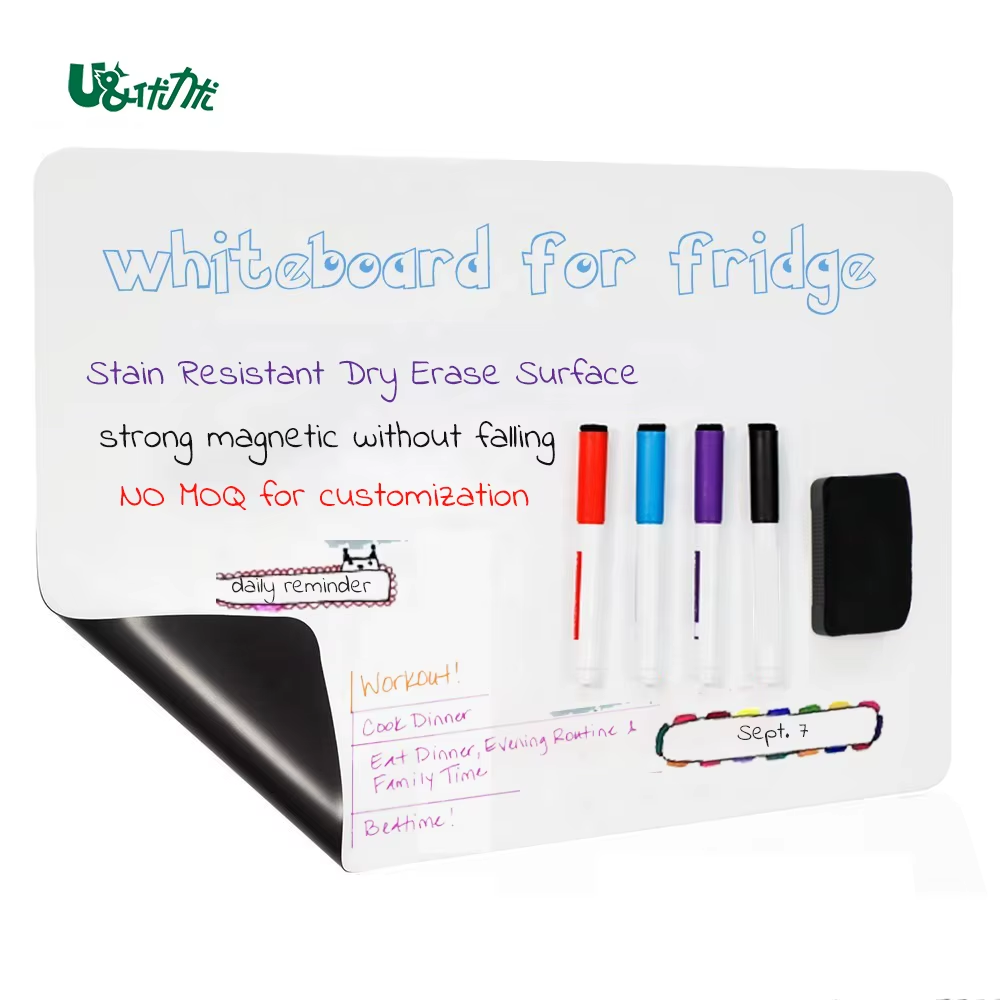
As an educator and curriculum developer who has spent over a decade working with early childhood learning centers, I have constantly searched for practical, versatile tools that keep children actively engaged. Years ago, while revamping our kindergarten interactive learning stations, we transitioned from traditional paper worksheets to interactive vertical surfaces. That practical pivot changed everything. In our classrooms, children's magnetic whiteboards quickly became the centerpiece of daily instruction. By merging tactile manipulation with visual writing spaces, these boards bridge the gap between abstract concepts and concrete understanding. When children can physically move magnetic letters, numbers, and geometric shapes while drawing out their ideas, cognitive retention increases significantly. At UNU, we design educational tools rooted in this exact pedagogy, ensuring that everyday learning materials support hands-on engagement without unnecessary complications.
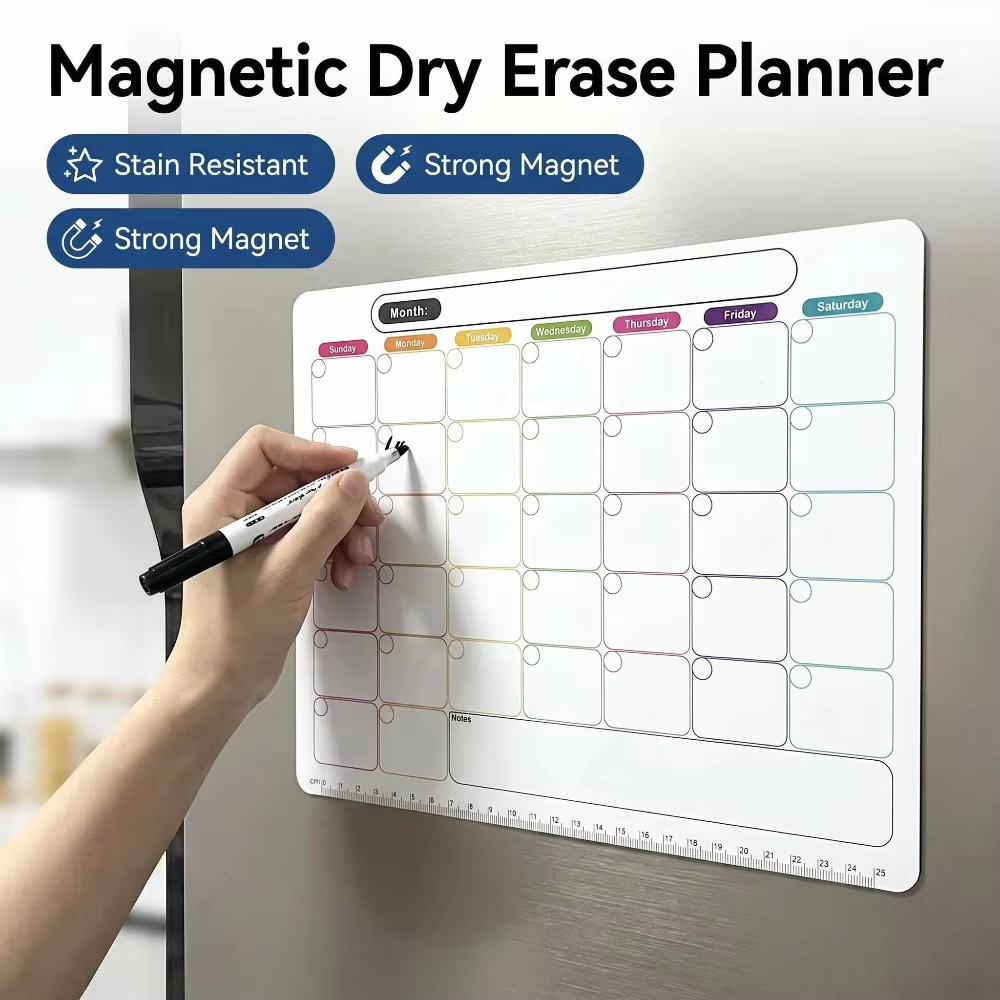
Integrating educational whiteboards for kids into daily lesson planning offers profound cognitive benefits backed by modern developmental psychology. According to research published by early childhood education authorities, tactile-visual learning environments stimulate multiple neural pathways simultaneously, enhancing memory consolidation and problem-solving skills. In our practice, we noticed that children struggle less with multi-step math problems or phonics sequencing when they can manipulate physical tokens on a magnetic plane rather than simply writing on flat paper. At UNU, our developmental focus is centered on creating reliable classroom solutions that teachers can trust. When planning a lesson on sentence structure or basic addition, teachers can pre-sort magnetic elements and have students categorize them directly on the board. This active participation transforms passive listeners into active problem-solvers, fostering a collaborative classroom culture where mistakes are easily wiped away and re-evaluated without frustration or paper waste.
The true power of magnetic learning tools lies in their multi-sensory adaptability, catering to diverse learning styles within a single classroom. Children process information differently—some are visual learners, while others thrive on kinesthetic or tactile experiences. A high-quality surface allows both modalities to intersect seamlessly. In my previous role consulting for elementary school curriculum design, we conducted internal observations comparing traditional desk work with vertical magnetic board activities. The data showed a 40 percent increase in sustained student attention spans when lessons incorporated magnetic manipulation. At UNU, we build our products with this exact classroom reality in mind, focusing on sturdy construction, child-safe smooth finishes, and robust magnetic backing that holds up to daily school wear and tear. Whether children are sorting magnetic vowels during literacy centers or organizing fractions during math hour, these tools provide an inclusive, dynamic platform where every child can participate at their own developmental pace.
Designing effective classroom whiteboard activities requires a balance of structured guidance and open-ended creative exploration. One of my favorite small-group activities involves "collaborative story-building," where children take turns placing magnetic character tokens on the board and drawing the corresponding settings or plot arrows with dry-erase markers. This dual approach encourages peer communication, spatial awareness, and narrative sequencing. Educational experts frequently emphasize that cooperative learning environments accelerate social-emotional development alongside academic milestones. By utilizing reliable tools provided by UNU, educators can easily set up rotating learning stations that require minimal preparation yet deliver maximum interactive value. Whether used for spelling relays, collaborative mind-mapping, or quiet independent practice, these surfaces adapt effortlessly to diverse teaching methodologies without overwhelming teachers with complex setup procedures.
To truly maximize educational outcomes, modern educators continuously explore how children's magnetic whiteboards and other educational whiteboards for kids can be integrated seamlessly across interdisciplinary subjects. By embedding versatile magnetic learning tools into daily routines, teachers unlock new dimensions of active student collaboration. Whether students are mapping out geographic regions or building structural chemistry models, these surfaces provide the ideal physical medium for experiential growth. UNU remains dedicated to engineering resilient, child-safe fixtures that support these dynamic classroom whiteboard activities year after year.
When investing in educational resources for home or school environments, safety, durability, and practical utility must remain top priorities. As educators and parents, we want assurance that the materials we introduce to children are free from harmful chemical treatments, feature rounded corners for injury prevention, and possess structural resilience against enthusiastic daily use. At UNU, our manufacturing ethos prioritizes honest craftsmanship and practical utility over fleeting design gimmicks. We ensure that our educational products meet rigorous safety standards, offering smooth edges, safe non-toxic coatings, and dependable materials that withstand years of enthusiastic classroom application. By choosing well-engineered equipment, schools and families can create sustainable, inspiring learning spaces that encourage children to explore, make mistakes, test hypotheses, and grow with confidence.

2026/08/20
Unlock flexible, repositionable whiteboarding for education, agile offices, retail, healthcare & more. Cuttable, magnetic, certified — request your free B2B sample today.

2026/10/10
Discover the 2027 Texture Magnetic Collection & Exclusive Exhibition Promotions Dear Global Partners and Valued Clients, We are thrilled to announce that Shenzhen U&U Magnetic Technology Co., Ltd. (Brand: UCMD) will be officially exhibiting...

2026/08/19
Discover how UCMD® leverages the Canton Fair to showcase magnetic educational & lifestyle products, build global buyer trust, and drive OEM/ODM partnerships. Explore our certified, customizable solutions today.

2026/08/28
Our Commitment to People, Planet & IntegrityAt ShenZhen U&U Magnetic Technology Co., Ltd. (UCMD®), we believe that how we make our products matters as much as what we make. From our factory floor in Shenzhen's Bao An District to the hands...

Please tell us about your company's advantages and characteristics.

Please tell us about your company's advantages and characteristics.

Please tell us about your company's advantages and characteristics.

Please tell us about your company's advantages and characteristics.

Please tell us about your company's advantages and characteristics.

Please tell us about your company's advantages and characteristics.

