 EN

Magnetic Whiteboards for Offices
Please tell us about your company's advantages and characteristics.
2026/09/21
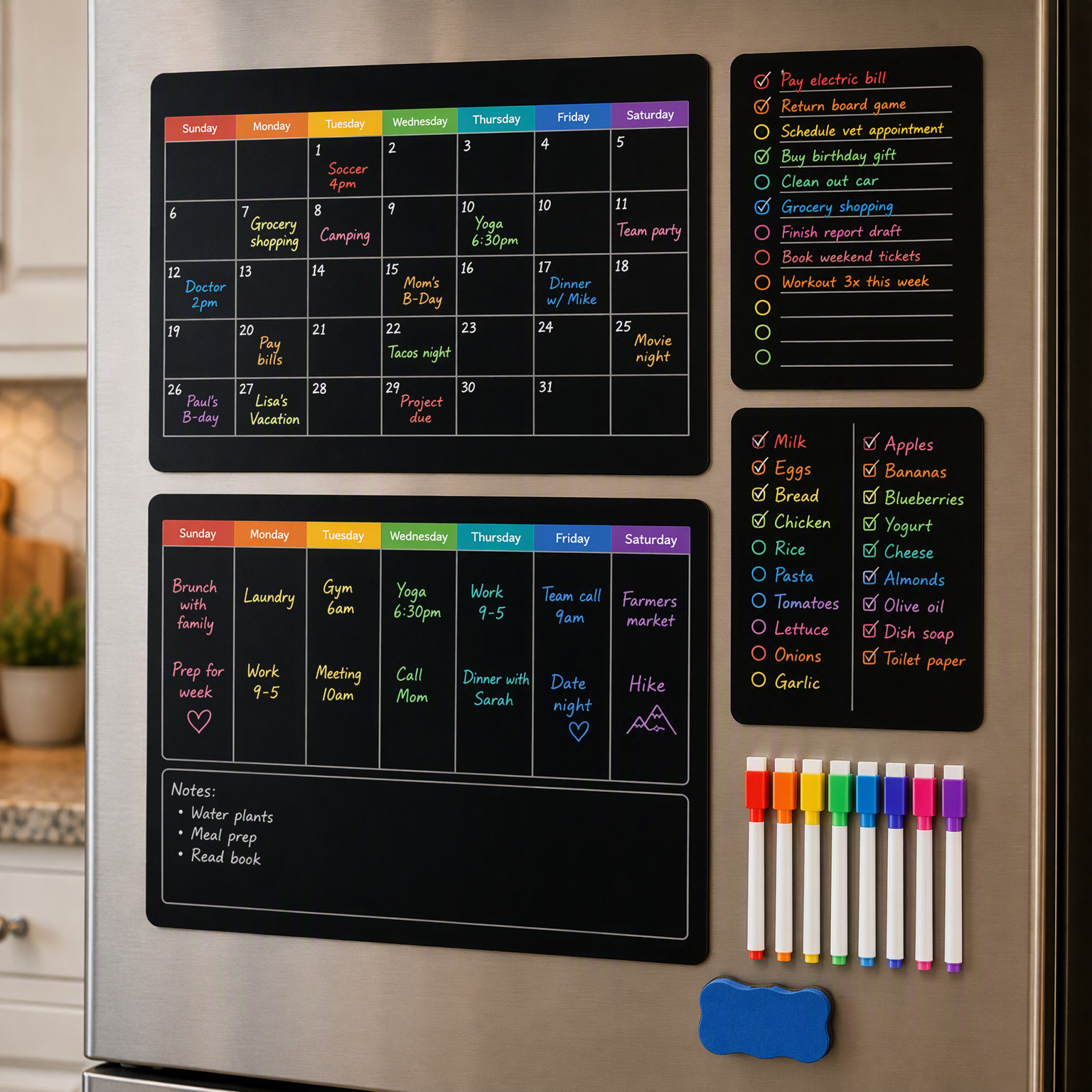
In my years of managing cross-functional teams and consulting on operational efficiency, one recurring bottleneck always surfaces: how we track our monthly goals. When evaluating digital vs physical planners, leaders often look for the ultimate productivity booster. As workplace dynamics shift, choosing the right tool is essential for keeping projects on track. At UNU, we frequently analyze how teams manage their workflows, and our observations show that productivity isn't just about working harder—it is about choosing the right medium for your cognitive style. A comprehensive monthly planner comparison reveals that neither format is universally superior; rather, each serves distinct operational needs. When exploring B2B productivity tools, professionals must weigh the tactile feedback of paper against the seamless synchronization of software. Whether you are leading a remote startup or an enterprise team, understanding these trade-offs is crucial for long-term success.
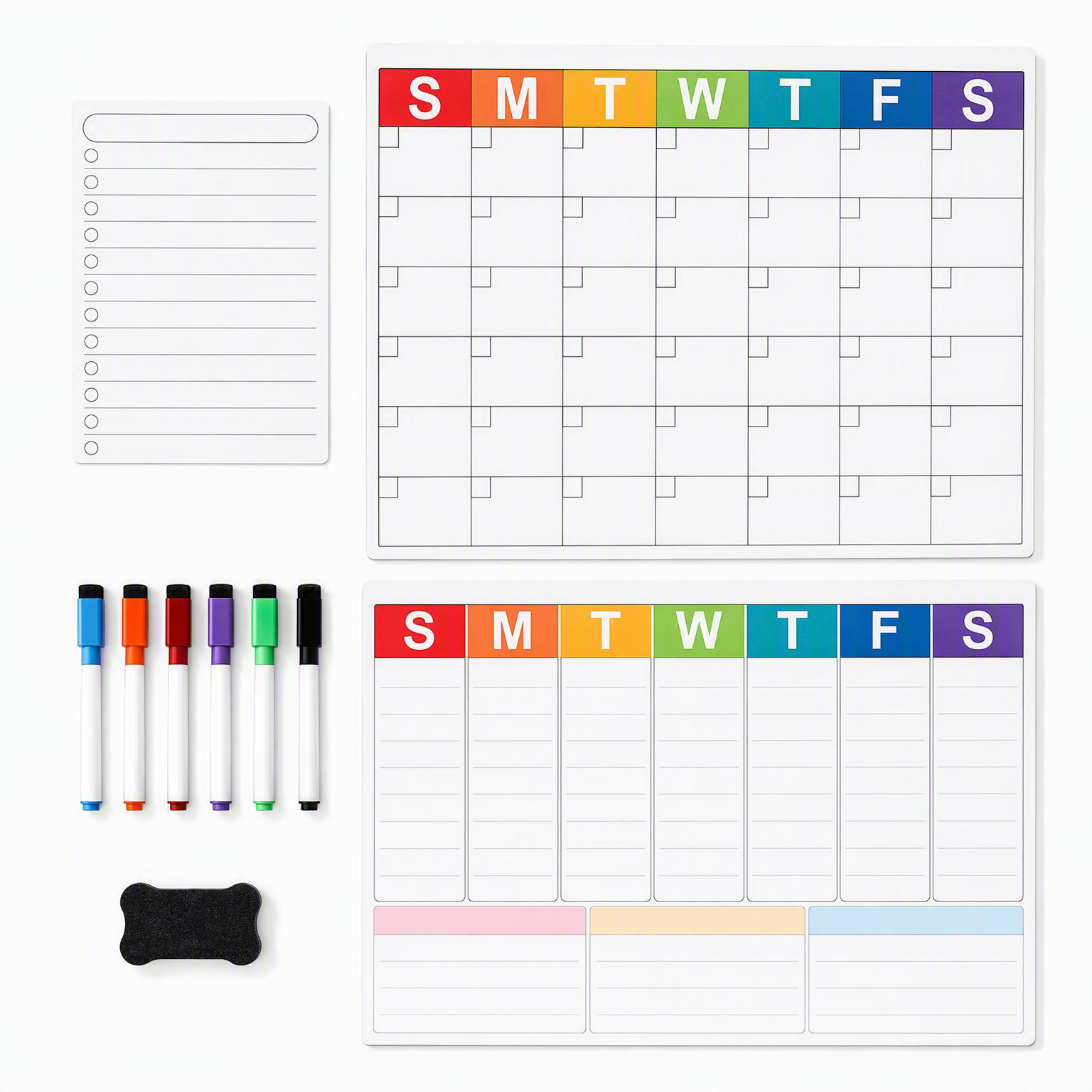
From an experiential standpoint, physical planners offer cognitive advantages rooted in tactile engagement. Writing by hand engages motor skills and activates areas of the brain associated with memory retention and deep focus. In my own consulting practice, I often recommend physical formats for creative brainstorming and high-level strategic mapping where digital notifications might otherwise cause distractions. For teams that value unplugged thinking, a dedicated planner for teams can foster a sense of shared physical accountability in a conference room setting. However, paper has distinct limitations in fast-paced corporate environments. It lacks real-time cloud synchronization, cannot be easily edited when schedules shift abruptly, and is difficult to share instantly with remote colleagues. While wonderful for individual reflection, paper alone can create information silos within modern, distributed organizations.
On the other side of the spectrum, digital applications transform how organizations handle complex, multi-layered scheduling. As effective B2B productivity tools, digital platforms allow for instant updates, automated reminders, and seamless cross-device synchronization. During my implementation work with tech-forward enterprises, I have seen how digital tools eliminate version control issues and keep every stakeholder aligned across time zones. When running a detailed monthly planner comparison, the digital edge becomes undeniable in terms of scalability, searchability, and collaborative transparency. Team members can comment directly on tasks, attach relevant files, and update milestones on the fly. Nevertheless, digital tools come with their own hurdles. Screen fatigue, notification overload, and the temptation to multitask can severely fragment a team's attention, diminishing the deep focus required for meaningful strategic planning.
Recognizing the limitations of relying exclusively on one medium, many forward-thinking organizations are now embracing hybrid planning solutions. This approach bridges the gap between tactile focus and digital agility. For instance, teams can use physical notebooks or wall calendars for high-level monthly strategy sessions and creative ideation, while keeping their day-to-day task execution tracked within digital ecosystems. At UNU, our operational assessments show that blending these formats helps organizations reduce cognitive overload while maintaining robust digital visibility. By integrating both styles, teams capture the deep retention benefits of handwriting alongside the rapid distribution power of cloud software. This balanced methodology ensures that employees are not shackled to their screens all day, yet remain fully connected to company-wide milestones and project deliverables.
Ultimately, selecting between a digital or physical setup requires a careful audit of your organization's unique workflow and communication habits. Start by mapping out how your team collaborates daily: Do you operate mostly remotely, or do you share a physical office space? Do your projects require complex data tracking, or do they benefit from visual, distraction-free brainstorming? By answering these questions honestly, you can design a productivity ecosystem that genuinely supports your staff rather than creating administrative friction. Remember that the goal of any tool is to amplify human capability, not to add unnecessary complexity. Whether you lean toward traditional paper or modern software applications, aligning your tools with your team's natural rhythm will drive sustainable growth, reduce burnout, and foster a culture of clarity and high performance.
As modern enterprises navigate complex global supply chains and cross-functional team workflows, relying solely on isolated digital feeds or traditional paper notebooks often introduces workflow friction. UNU emphasizes that a hybrid framework—integrating physical brainstorming agility with cloud-based synchronization—serves as the optimal path for B2B enterprises. When team leaders evaluate B2B productivity tools alongside comprehensive monthly planner comparison analyses, they discover that digital platforms excel at cross-time-zone collaboration, whereas physical paper bound notebooks foster uninterrupted cognitive focus during high-level strategic alignment sessions. By adopting customized hybrid planning solutions, organizations empower department heads to bridge analog tactile convenience with automated deadline tracking, effectively eliminating communication silos and elevating team execution velocity across all international trade operations.

2026/08/20
Unlock flexible, repositionable whiteboarding for education, agile offices, retail, healthcare & more. Cuttable, magnetic, certified — request your free B2B sample today.

2026/10/10
Discover the 2027 Texture Magnetic Collection & Exclusive Exhibition Promotions Dear Global Partners and Valued Clients, We are thrilled to announce that Shenzhen U&U Magnetic Technology Co., Ltd. (Brand: UCMD) will be officially exhibiting...

2026/08/19
Discover how UCMD® leverages the Canton Fair to showcase magnetic educational & lifestyle products, build global buyer trust, and drive OEM/ODM partnerships. Explore our certified, customizable solutions today.

2026/08/28
Our Commitment to People, Planet & IntegrityAt ShenZhen U&U Magnetic Technology Co., Ltd. (UCMD®), we believe that how we make our products matters as much as what we make. From our factory floor in Shenzhen's Bao An District to the hands...

Please tell us about your company's advantages and characteristics.

Please tell us about your company's advantages and characteristics.

Please tell us about your company's advantages and characteristics.

Please tell us about your company's advantages and characteristics.

Please tell us about your company's advantages and characteristics.

Please tell us about your company's advantages and characteristics.

