 EN

Magnetic Whiteboards for Offices
Please tell us about your company's advantages and characteristics.
2026/09/15
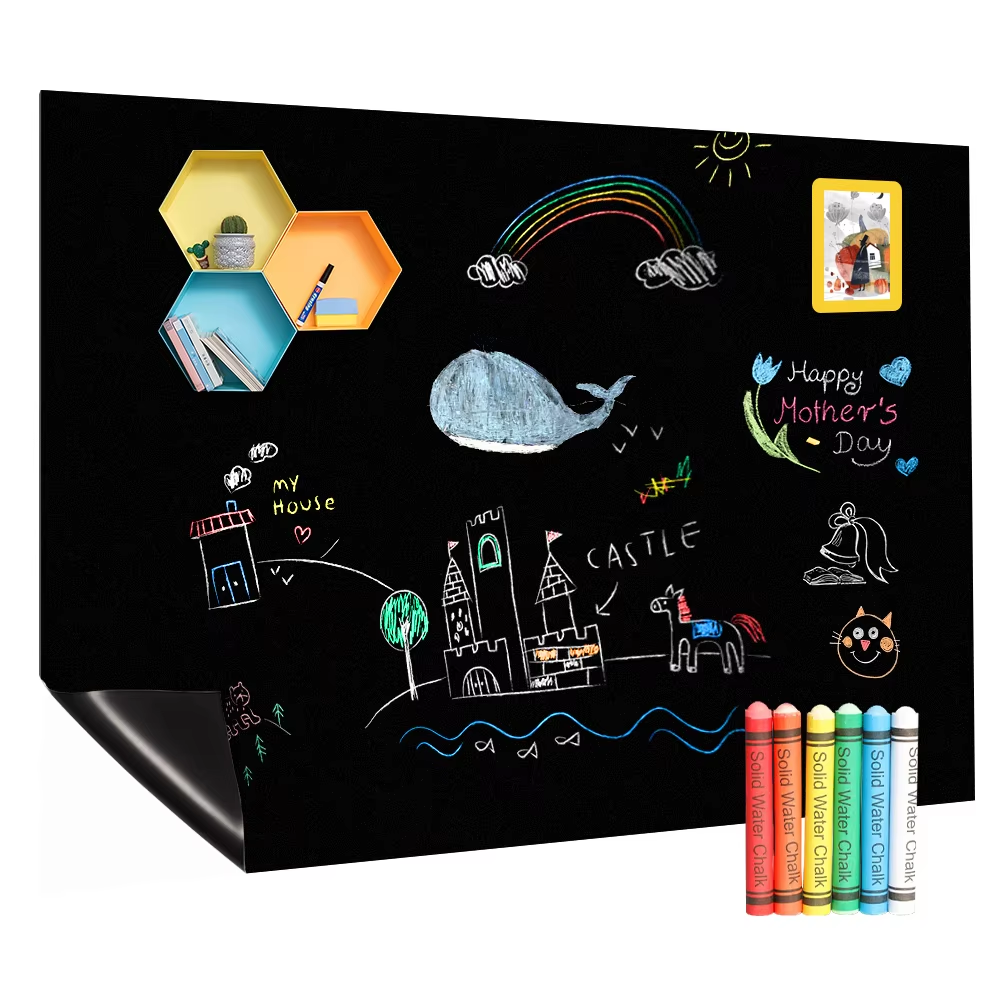
Flexible rubber magnets have become an essential component in modern industrial, commercial, and consumer applications due to their unique combination of elasticity and magnetic force. Unlike rigid ferrite or neodymium magnets, these materials are manufactured by combining ferrite magnetic powder with a synthetic rubber or plastic binder. This specialized compounding process allows the material to be rolled, slit, punched, or twisted without losing its core magnetic properties. In practical manufacturing environments, engineers often select this magnetic sheet material when designing products that require a contour-fitting profile or a lightweight, versatile mounting solution. At UNU, production protocols ensure that the ratio of magnetic powder to polymer binder is carefully calibrated to maintain consistent holding power while preserving the physical flexibility required for complex installation surfaces.
The performance of flexible rubber magnets relies heavily on their internal structure and isotropic or anisotropic magnetization methods. Isotropic rubber magnets are magnetized in random directions, offering moderate holding strength with the advantage of multi-pole magnetization on either side. In contrast, anisotropic variants are aligned during the manufacturing process in a magnetic field, resulting in a significantly higher energy product and stronger holding force on one specific face. When evaluating rubber magnet properties, technicians analyze factors such as tensile strength, flexibility radius, temperature resistance, and resistance to demagnetization. UNU supplies these materials with precise thickness tolerances and uniform surface finishes, ensuring that they perform reliably across varying operational environments without cracking, delaminating, or losing structural integrity under mechanical stress.
One of the primary advantages of utilizing this category of magnetic solutions is the high degree of adaptability available during the production phase. Manufacturers frequently require custom flexible magnets tailored to exact dimensional specifications, adhesive backings, or specialized surface coatings like UV-resistant PVC or plain protective films. Whether the application involves point-of-sale displays, warehouse labeling systems, refrigerator gaskets, or automotive trim attachments, cutting and shaping the material to specific contours is exceptionally straightforward. UNU provides comprehensive customization options, allowing clients to specify precise widths, lengths, thickness dimensions, and adhesive types to match their exact mechanical and environmental requirements, thereby streamlining assembly processes and reducing overall production waste.
The versatility of flexible rubber magnets makes them ubiquitous across a wide array of global industries. In signage and advertising, they allow graphic panels to be securely attached to metallic vehicles and retail shelving while remaining easy to remove and reposition. In appliance manufacturing, continuous magnetic strips create airtight seals for refrigeration doors, while in electric motors and sensors, specialized profiles serve as reliable functional components. Field experience indicates that proper surface preparation and correct matching of the magnetic pull force to the application weight are critical for long-term operational success. UNU collaborates closely with industrial partners to ensure that every batch of material delivered meets the stringent functional demands of real-world deployment, minimizing maintenance issues and maximizing service life.
Ensuring long-term reliability in magnetic components requires rigorous quality control and adherence to standardized manufacturing procedures. From raw material inspection to final magnetic flux testing, every production run must meet strict internal benchmarks to guarantee consistent performance. Environmental factors such as operating temperature ranges—typically spanning from negative temperatures up to moderate positive thresholds—must be evaluated during the design phase to prevent thermal degradation. UNU maintains a comprehensive quality management framework, verifying magnetic properties and physical tolerances prior to shipment. By prioritizing accuracy, transparency, and practical utility, users can integrate these versatile magnetic solutions into their product lines with complete confidence in their durability and operational efficiency.
As global industries increasingly prioritize sustainability and resource efficiency, flexible rubber magnets are playing a pivotal role in reducing lifecycle environmental impacts. Modern manufacturing techniques now emphasize recyclable polymer binders and energy-efficient magnetization processes, minimizing waste during high-volume production runs. Furthermore, advancements in composite material science are enabling higher energy products within thinner profiles, allowing businesses to achieve superior magnetic performance while utilizing fewer raw materials. UNU continues to invest in innovative, eco-friendly production methodologies, empowering global enterprises to meet stringent environmental regulations without compromising structural performance. By integrating these forward-looking magnetic technologies, industries can future-proof their supply chains and deliver sustainable, high-performance products to the market.
Maximizing the effectiveness of flexible rubber magnets in complex assemblies requires careful attention to surface preparation, environmental exposure limits, and correct mechanical loading. Prior to applying adhesive-backed magnetic sheets, technicians should ensure that mating surfaces are thoroughly cleaned and free of oils, dust, or moisture to achieve maximum bond strength. Additionally, when deploying components in outdoor or high-humidity settings, selecting the appropriate protective coating or UV-resistant laminate prevents premature surface degradation and maintains consistent magnetic flux over time. UNU provides expert technical guidance during the design and prototyping phases, helping engineers evaluate operational tolerances and select the ideal material specifications for long-term reliability.

2026/08/20
Unlock flexible, repositionable whiteboarding for education, agile offices, retail, healthcare & more. Cuttable, magnetic, certified — request your free B2B sample today.
2026/10/10
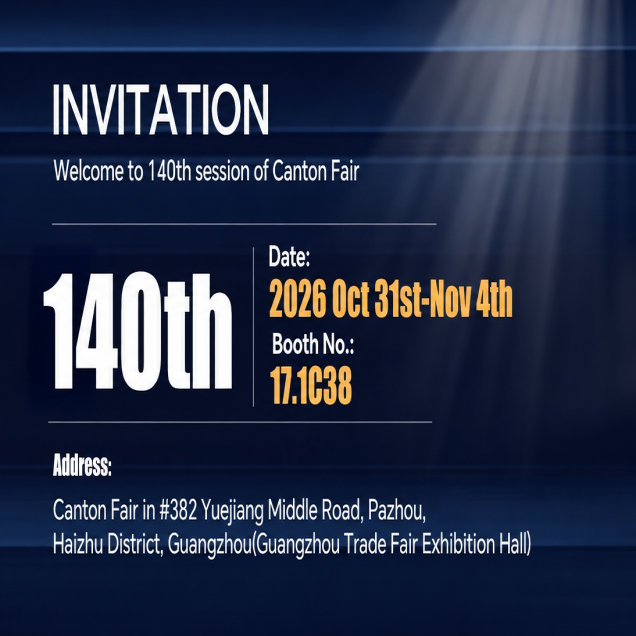
Discover the 2027 Texture Magnetic Collection & Exclusive Exhibition Promotions Dear Global Partners and Valued Clients, We are thrilled to announce that Shenzhen U&U Magnetic Technology Co., Ltd. (Brand: UCMD) will be officially exhibiting...
2026/08/19
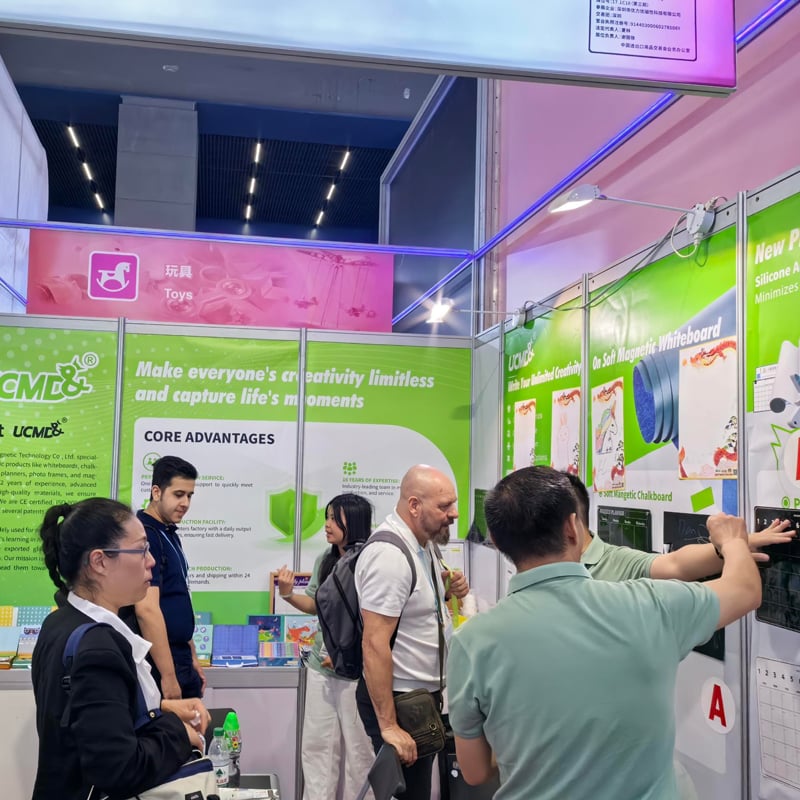
Discover how UCMD® leverages the Canton Fair to showcase magnetic educational & lifestyle products, build global buyer trust, and drive OEM/ODM partnerships. Explore our certified, customizable solutions today.
2026/08/28
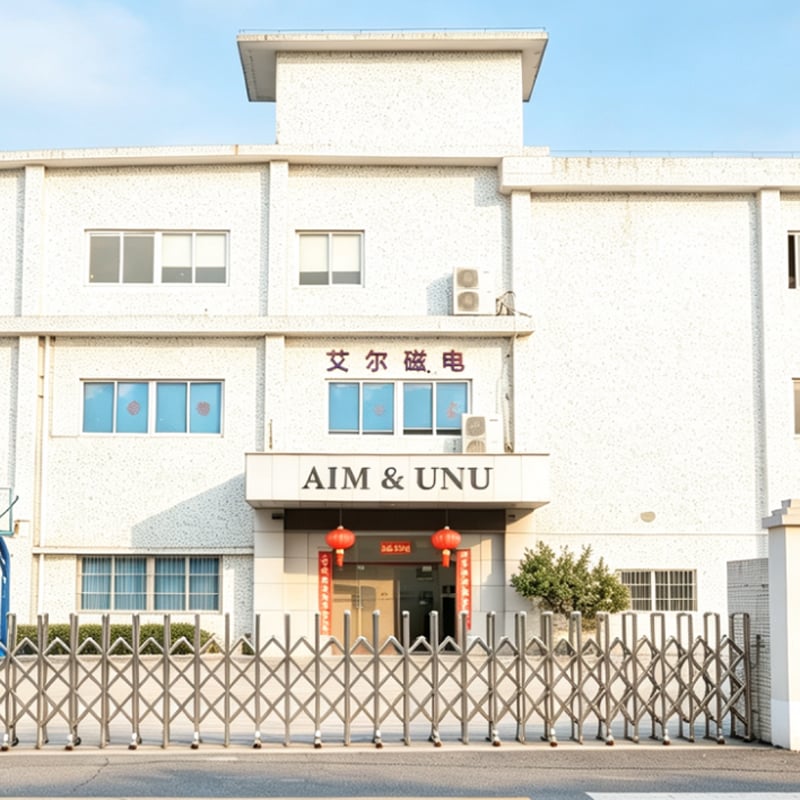
Our Commitment to People, Planet & IntegrityAt ShenZhen U&U Magnetic Technology Co., Ltd. (UCMD®), we believe that how we make our products matters as much as what we make. From our factory floor in Shenzhen's Bao An District to the hands...

Please tell us about your company's advantages and characteristics.

Please tell us about your company's advantages and characteristics.

Please tell us about your company's advantages and characteristics.

Please tell us about your company's advantages and characteristics.

Please tell us about your company's advantages and characteristics.

Please tell us about your company's advantages and characteristics.

