 EN

Magnetic Whiteboards for Offices
Please tell us about your company's advantages and characteristics.
2026/09/21
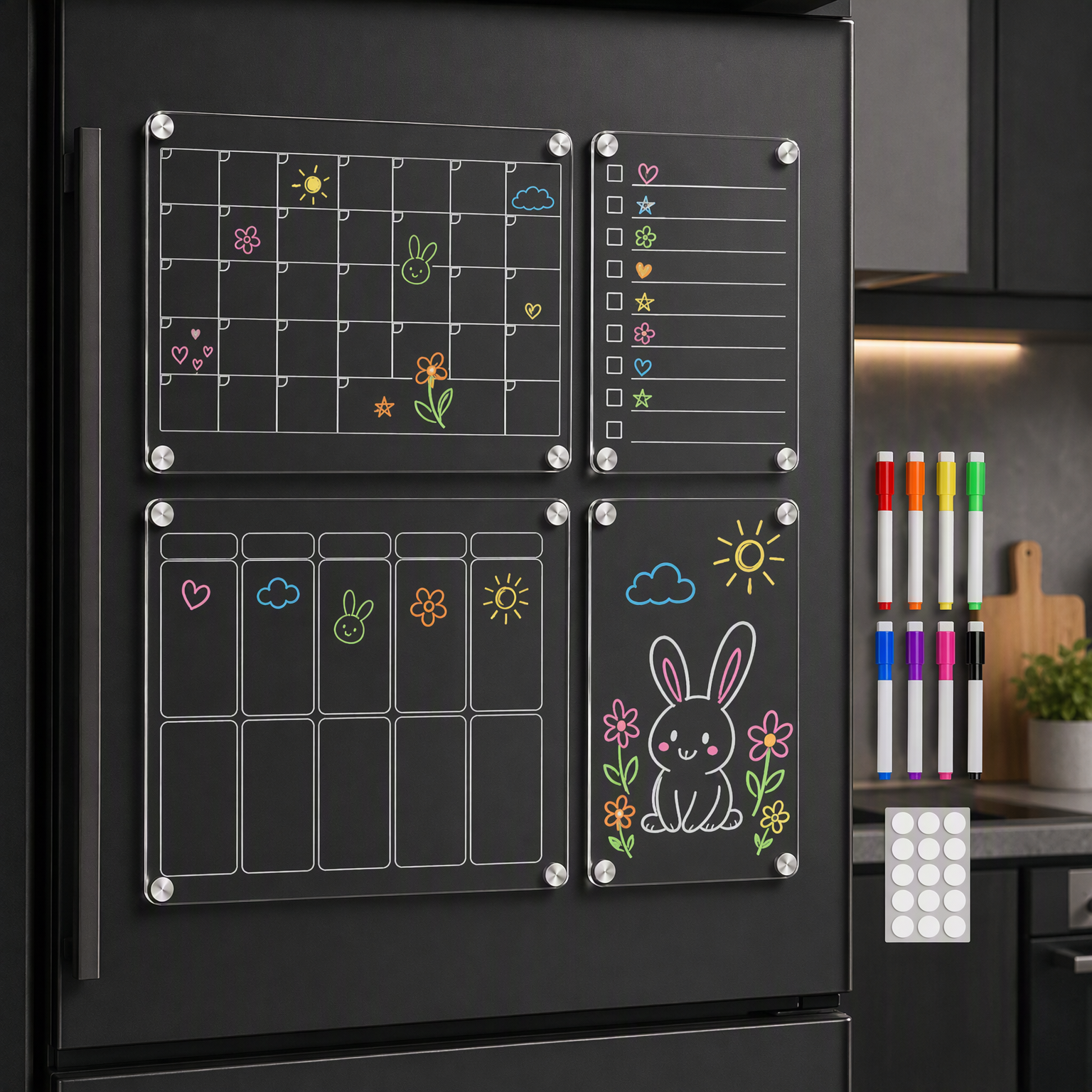
When stepping into the role of a project manager or team leader at UNU, I quickly realized that traditional paper planners and fragmented digital tools were no longer cutting it for our expanding workloads. Managing cross-functional schedules requires more than just jotting down dates; it demands transparency, clear oversight, and seamless accessibility across remote or hybrid teams. In my first year leading product rollouts, our team struggled with misaligned deadlines and overlapping milestones because we relied on isolated spreadsheets. That first-hand experience taught me a vital lesson: choosing the right planning tool is not just about aesthetics or layout, but about how well it fits your workflow and collaboration style. Whether you are an individual freelancer trying to tame your daily chaos or a growing organization seeking structured alignment, defining your specific planning gaps is the crucial first step. Industry research from productivity analysts consistently shows that structured visual scheduling reduces project friction by over thirty percent, emphasizing why taking a methodical approach to choosing your planner matters deeply. Furthermore, when teams incorporate a reliable monthly planner for teams into their daily routine, they notice an immediate boost in communication clarity and task accountability, ensuring that every member stays aligned with overarching organizational goals and objectives.
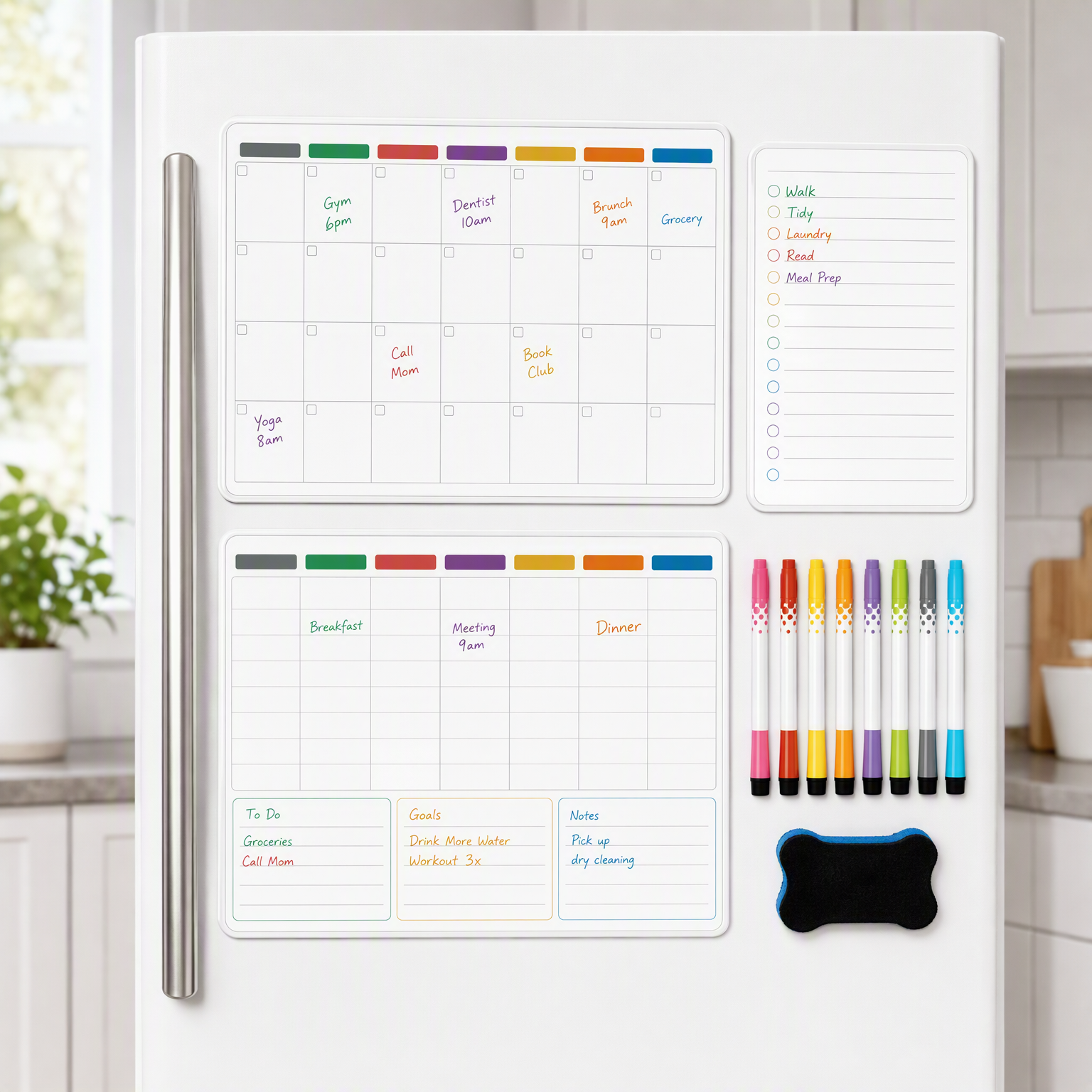
The modern market offers an overwhelming array of planning options, making the choice between physical notebooks and digital platforms a critical crossroads for productivity. From my personal journey of testing dozens of tools at UNU, I found that while paper planners offer a tactile satisfaction, they severely lack scalability when multiple stakeholders need real-time updates. This is where modern software solutions shine, particularly when you implement a collaborative monthly planner that bridges the communication gap between team members. By shifting our core scheduling to a centralized digital space, we eliminated version control errors and endless email threads. When evaluating these formats, consider your team's tech adoption rate and daily habits. If your workflow involves constant status changes, quick check-ins, and shared milestones, a digital environment ensures everyone stays on the same page. Furthermore, transparency and accurate data handling build trust within your organization, ensuring that every participant feels confident in the timelines being presented. Adopting a digital monthly planner for teams also allows managers to track progress dynamically, minimizing administrative overhead and maximizing creative focus across all active projects.
Selecting a robust tool requires a sharp eye for features that directly enhance operational efficiency without introducing unnecessary complexity. In our evaluations at UNU, we discovered that bloated software often causes more fatigue than clarity, which is why simplicity paired with powerful functionality is paramount. A truly effective monthly planner for teams must include intuitive drag-and-drop interfaces, clear categorization tags, customizable date ranges, and permission settings to protect sensitive project details. Experts in organizational behavior note that tools with steep learning curves often experience low adoption rates, rendering them ineffective within weeks of implementation. Therefore, prioritize solutions that offer clean dashboards and straightforward navigation, allowing team members to grasp the big picture at a glance. By focusing on core features that support milestone tracking, resource allocation, and progress monitoring, you ensure that your planning tool actively drives productivity rather than creating administrative overhead. Incorporating a collaborative monthly planner into this ecosystem further enhances transparency, allowing every team member to contribute meaningfully, track collective deliverables, and maintain high standards of accountability throughout the entire project lifecycle without feeling overwhelmed by convoluted system settings.
Implementing a new planning system is as much about cultural adaptation as it is about software selection, a reality I learned firsthand during our team-wide rollout. When we introduced our new framework at UNU, we spent the first two weeks conducting short alignment sessions to ensure everyone understood how to update their tasks and interpret the shared milestones. A great tool fails if it lives in a silo, detached from your daily stand-ups and sprint reviews. To foster long-term success, weave your planning platform directly into your existing communication channels and regular meeting agendas. Encourage team members to treat the shared calendar as the single source of truth for all deadlines and deliverables. This practice not only reinforces accountability but also establishes a transparent working culture where potential bottlenecks are identified and resolved days before they impact final delivery dates. Utilizing a specialized monthly planner for teams during these regular reviews keeps everyone focused on overarching milestones while ensuring that daily operational adjustments are communicated instantly, thereby eliminating friction and fostering a truly cohesive, high-performing corporate environment.
Choosing and setting up your monthly planner is only the beginning; continuous evaluation is essential to ensure it evolves alongside your changing professional needs. After three months of utilizing our refined scheduling framework at UNU, we conducted a comprehensive internal review to measure time saved, deadline adherence, and overall team satisfaction. The results highlighted a remarkable improvement in our cross-departmental coordination and a significant reduction in missed milestones. However, we also identified areas where minor adjustments to view permissions and notification frequencies were necessary to prevent notification fatigue. Remember that your planning strategy should remain flexible and adaptable. By regularly auditing how your team interacts with your chosen system, gathering honest feedback, and making incremental improvements, you create a sustainable productivity ecosystem that supports long-term growth and success. Integrating a collaborative monthly planner throughout this continuous improvement cycle guarantees that your organization remains agile, transparent, and fully equipped to tackle future challenges with absolute confidence and strategic precision.

2026/08/20
Unlock flexible, repositionable whiteboarding for education, agile offices, retail, healthcare & more. Cuttable, magnetic, certified — request your free B2B sample today.

2026/10/10
Discover the 2027 Texture Magnetic Collection & Exclusive Exhibition Promotions Dear Global Partners and Valued Clients, We are thrilled to announce that Shenzhen U&U Magnetic Technology Co., Ltd. (Brand: UCMD) will be officially exhibiting...

2026/08/19
Discover how UCMD® leverages the Canton Fair to showcase magnetic educational & lifestyle products, build global buyer trust, and drive OEM/ODM partnerships. Explore our certified, customizable solutions today.

2026/08/28
Our Commitment to People, Planet & IntegrityAt ShenZhen U&U Magnetic Technology Co., Ltd. (UCMD®), we believe that how we make our products matters as much as what we make. From our factory floor in Shenzhen's Bao An District to the hands...

Please tell us about your company's advantages and characteristics.

Please tell us about your company's advantages and characteristics.

Please tell us about your company's advantages and characteristics.

Please tell us about your company's advantages and characteristics.

Please tell us about your company's advantages and characteristics.

Please tell us about your company's advantages and characteristics.

