 EN

Magnetic Whiteboards for Offices
Please tell us about your company's advantages and characteristics.
2026/10/14

Choosing a magnetic board for wall use looks simple until you compare a flexible sheet, a writable steel board, a glass panel, and a felt bulletin surface. They do not solve the same problem. Some are designed for light visual displays, some for repeated dry-erase notes, and some for a polished planning station. The right choice starts with the room, the wall, the items you want to hold, and whether people need to write on it every day.
From a magnetic-material adviser’s viewpoint, the useful question is not “Which board wins in every setting?” but “Which magnetic board for wall use fits this space?” A child’s activity area, a team meeting room, and a kitchen command center ask for different surfaces, mounting methods, and maintenance routines.
Before comparing finishes, make a short job list. Will the board hold paper with magnets, accept dry-erase writing, display a calendar, support teaching activities, or simply add a practical decorative surface? A magnetic board for wall installation can be magnetic without being dry-erase, and a dry-erase board may not suit heavy display items. Confirm both capabilities rather than assuming one feature guarantees the other.
This small distinction prevents a common mistake: selecting a good-looking magnetic board for wall use and later discovering that its finish is not intended for the markers, magnets, or cleaning routine in the room.
Flexible formats are often the easiest route when a low-profile magnetic board for wall setup is needed in a rental, craft corner, or temporary teaching area. They can visually soften a wall and are often chosen for curved or playful shapes. Their suitability depends on the backing, the wall preparation, and the maker’s stated writing and magnet compatibility. For a light home routine, flexibility can matter more than a formal framed-board appearance.
A steel writing surface is a familiar choice for a high-use magnetic board for wall in offices and classrooms. It gives teams one place for notes and magnetic documents. Prioritize the stated board finish, frame style, mounting hardware, and cleaning guidance over vague claims about durability. If the board will be rewritten throughout the day, test the marker and eraser method recommended for that finish before committing to a large installation.
A glass magnetic board for wall placement can make sense where a cleaner, more architectural look matters, such as a reception area, home office, or executive meeting room. Glass changes the practical decision: confirm which magnets are compatible, whether a writing surface is specified, and how the panel is mounted. The same caution applies to a glass magnetic white board; its visual calm is valuable only if the mounting and accessories match the intended use.
Bulletin-style surfaces are useful when pinning, displaying, and changing paper materials matter more than daily marker writing. A magnetic sandwich board may refer to a layered construction or a display-oriented panel, so request the material stack and use instructions rather than treating the name as a performance specification. In classrooms and shared offices, a mixed display-and-writing wall can be more useful than asking one panel to do everything.
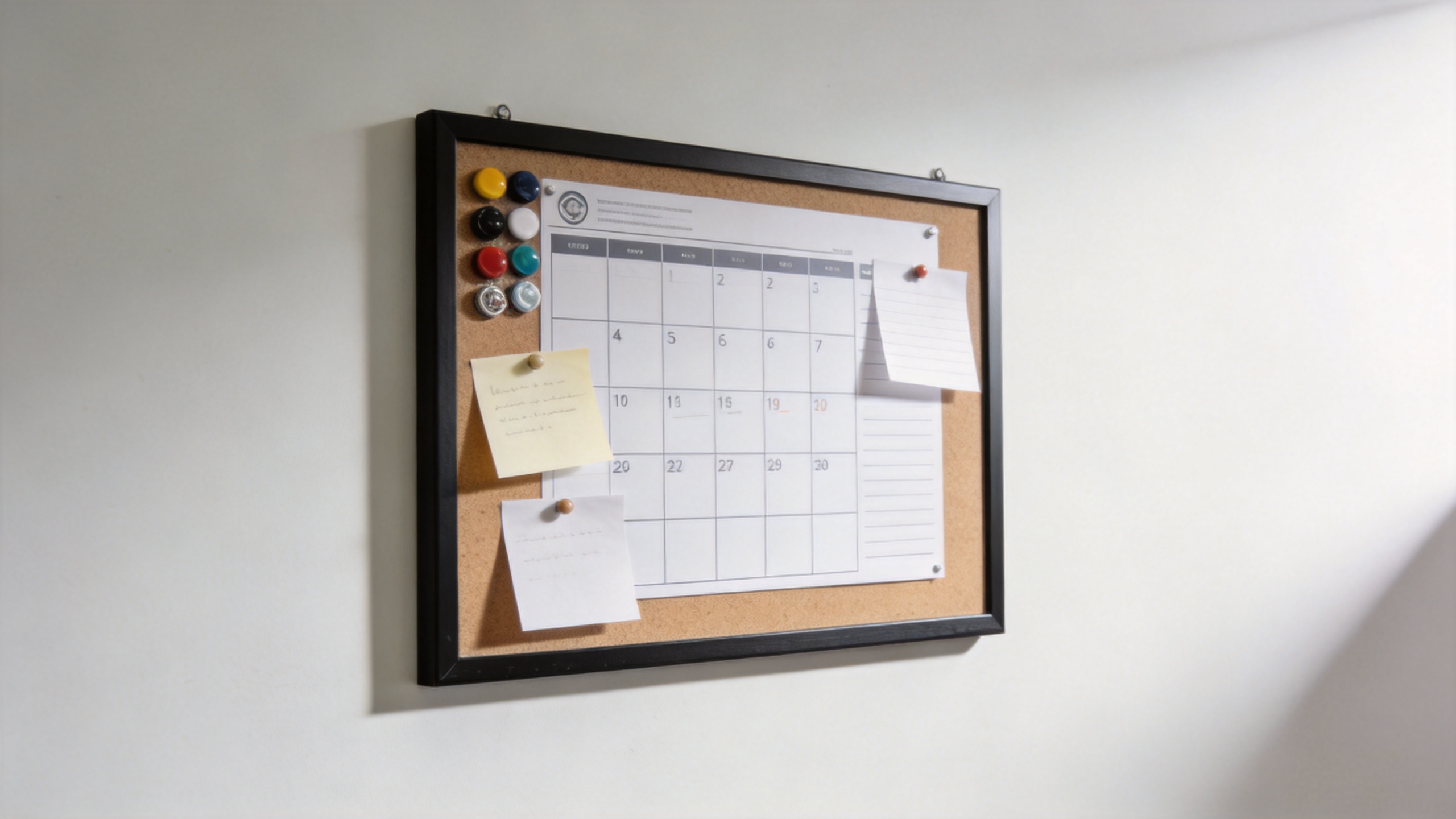
Home: Choose a smaller magnetic board for wall for grocery lists, family calendars, children’s art, or notes near an entryway. Flexible or self-adhesive options can work well when you need a lighter visual footprint. If the surface will be written on, keep an approved cloth and marker type nearby.
School or children’s area: A magnetic board for wall should be selected around visibility, repeat use, and supervision. An arch-shaped writable board can create a friendly activity zone, while a larger mounted surface may be better for group instruction. Consider edge treatment, mounting stability, and how frequently content will change.
Office: For project rooms, a magnetic board for wall needs readable space, dependable mounting, and a format that fits the team’s working rhythm. A writing board supports stand-ups and planning; a display board can organize printed timelines or samples. Glass may suit client-facing spaces, while a traditional steel board is often the more practical work surface.
Use adhesive only when the product explicitly supports your wall type and the expected load. Clean, dry, smooth surfaces are generally easier to prepare than textured, dusty, or recently painted walls. Follow the product’s stated placement and curing instructions before attaching accessories. A no-drill magnetic board for wall is appealing for rentals and short-term layouts, but it is not automatically the safer option for every board size or wall finish.
Use screws or the specified hardware when the board is large, used heavily, or expected to hold more than lightweight notes. A screw-mounted magnetic board for wall takes more planning, yet it gives a more deliberate installation path. Check wall construction, locate appropriate support where required, and use the supplier’s hardware guidance. Do not use a generic mounting shortcut in place of the instructions for the actual board.
For a removable classroom or photo-display concept, consider the linked No-Drill Magnetic Bulletin Board for Classrooms | Removable Felt Wall Decor. Verify its current use and installation details before ordering. For a playful home learning zone, the Arch Shape Magnetic Color Board Wall Sticker provides another starting point for an activity-oriented magnetic board for wall layout.
A third option, the Magnetic Blackboard Wall Stickers, may suit a decorative writing area. These links identify available formats, not universal recommendations: confirm dimensions, surface compatibility, and installation requirements against your project before choosing.
For any magnetic board for wall, remove old paper and residue regularly so the surface stays purposeful rather than crowded. Use the board maker’s recommended cleaning method, beginning with a soft, non-abrasive cloth. Avoid treating one cleaning formula as universal because coatings and glass-facing systems can have different care requirements. Keep strong magnets, marker trays, and accessories within the product’s intended use.
The most reliable choice is the magnetic board for wall that matches your wall, workload, and room style without asking the surface to do a job it was not designed to perform. Compare material, writeability, mounting, and maintenance in that order, then choose the size and color that makes the board easy to use every day.

2026/08/20
Unlock flexible, repositionable whiteboarding for education, agile offices, retail, healthcare & more. Cuttable, magnetic, certified — request your free B2B sample today.

2026/10/10
Discover the 2027 Texture Magnetic Collection & Exclusive Exhibition Promotions Dear Global Partners and Valued Clients, We are thrilled to announce that Shenzhen U&U Magnetic Technology Co., Ltd. (Brand: UCMD) will be officially exhibiting...

2026/08/19
Discover how UCMD® leverages the Canton Fair to showcase magnetic educational & lifestyle products, build global buyer trust, and drive OEM/ODM partnerships. Explore our certified, customizable solutions today.

2026/08/28
Our Commitment to People, Planet & IntegrityAt ShenZhen U&U Magnetic Technology Co., Ltd. (UCMD®), we believe that how we make our products matters as much as what we make. From our factory floor in Shenzhen's Bao An District to the hands...

Please tell us about your company's advantages and characteristics.

Please tell us about your company's advantages and characteristics.

Please tell us about your company's advantages and characteristics.

Please tell us about your company's advantages and characteristics.

Please tell us about your company's advantages and characteristics.

Please tell us about your company's advantages and characteristics.

