 EN

Magnetic Whiteboards for Offices
Please tell us about your company's advantages and characteristics.
2026/09/04
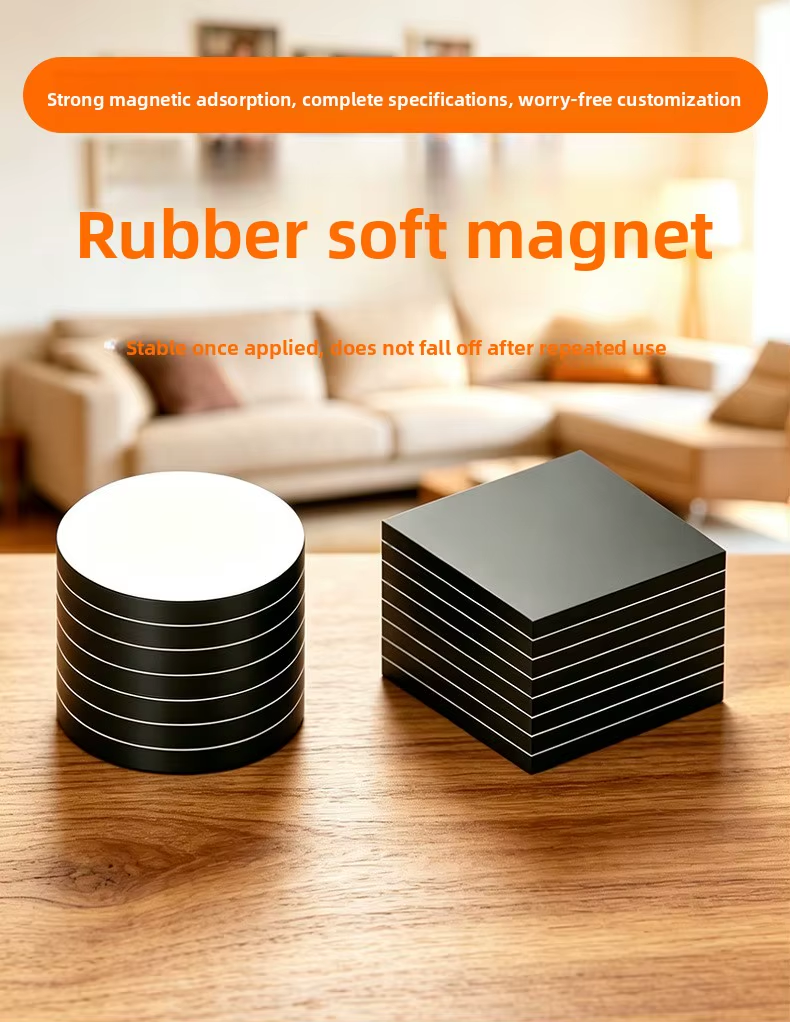
A middle school replaced worn traditional boards in three rooms with a magnetic whiteboard model after teachers kept losing magnets for charts on the wall. Within a term, the magnetic whiteboard walls held vocab cards, timers, and student work without tape. The traditional boards stayed in art rooms where magnets were unneeded. The split showed that a magnetic whiteboard earns its place where display and interaction matter most during a lesson, while a plain board still fits quiet writing rooms and saves budget.
A traditional whiteboard is a coated steel or melamine panel sized for writing only. A magnetic whiteboard adds a ferrous backing so magnets adhere across the face. The writing surface can be the same, but the magnetic whiteboard supports teaching aids a plain board cannot support in a busy room each day, from rotating charts to behavior trackers pinned by magnet rather than sticky putty.
Room count drives the math. A school with twenty classrooms refreshes boards on a cycle, and the magnetic whiteboard model lets the same magnets, holders, and templates move between rooms as needs change. A plain board locks each wall into one use, so a change of method means a new purchase rather than a simple reshuffle of kit already on the shelf.
Both may use a painted steel face, yet cheap traditional boards often use melamine that stains fast. A good magnetic whiteboard uses an enamel or ceramic-on-steel face that resists ghosting. Substrate choice, not the magnetic feature, drives daily durability of any magnetic whiteboard on the classroom wall, so specify the face before the magnet layer when writing the spec.
The magnetic whiteboard hides a thin steel layer behind the film. That layer lets the magnetic whiteboard hold magnets without a frame of metal strips. Thin steel means lighter weight, while thick steel adds hold but weight to the magnetic whiteboard, so specifiers weigh the two by use and room size before they sign the order for a full corridor.
A quality magnetic whiteboard writes and erases like a top traditional board. Poor grades of either stain. The magnetic whiteboard should be judged first as a writing surface, then for its magnet function, so schools get both traits from one magnetic whiteboard panel in the classroom and avoid buying two separate boards for one wall.
Choosing on price alone creates problems that surface after the first year. The right call weighs use, not just the tag on the box when buying a magnetic whiteboard for a school with mixed teaching styles and shared walls that many classes use in a week.
Specifiers who skip the face test often learn the lesson from a parent complaint about stained walls, not from a spec sheet. A short site visit to a peer school that runs the same board for a year answers more than a brochure, and it costs only a phone call and a walk-through with the facilities lead before the order is placed.
Low-grade traditional boards ghost within months, forcing replacement. A school that skips to a magnetic whiteboard with a weak face repeats the same mistake. Insist on a stain-resistant face whether the board is a magnetic whiteboard or a plain panel in the room, because replacement disrupts class time and budget mid-year when funds are gone.
Some magnetic whiteboard products use too little steel, so only tiny magnets hold. Teachers then cannot hang charts. Check pull force on the actual magnetic whiteboard before a room-wide order to avoid weak hold that frustrates daily teaching on the magnetic whiteboard and wastes the display benefit the board was bought for.
A large magnetic whiteboard weighs more than a foam traditional board. Unsafe fixings risk drop. Match the mount to the wall and the magnetic whiteboard size, and keep fixings clear of exits per life-safety rules that govern school rooms, because a falling board harms pupils and fails the annual inspection.
Total cost of ownership also favors the right pick. The cheap board is rarely the cheap board over five years. A stain-prone traditional panel may need replacement twice, while a durable magnetic whiteboard serves the same period. Count labor, fixings, and disruption, not just the sticker, when comparing a magnetic whiteboard against a plain panel for a district rollout.
Schools answer to parents and inspectors, so material and mounting proof matters before a purchase is signed for a magnetic whiteboard in the building, and the records should stay with the facility file for the next audit cycle.
Loose high-powered magnets are a child-safety risk, so keep loose magnets away from pupils and follow CPSIA expectations for items in schools. A magnetic whiteboard with fixed steel is safe; loose magnet sets are the hazard. NFPA 101, the Life Safety Code, also keeps the magnetic whiteboard clear of doors and alarms so egress stays open.
Districts that buy in volume often work directly with manufacturers such as U&U Magnetic to hold one spec across rooms. List size, face type, magnet hold, and frame; require a stain-resistant face on the magnetic whiteboard and a declared pull force. Fix the magnetic whiteboard to studs or rated anchors, level at pupil eye height, and keep it away from heat. Erase daily and clean the magnetic whiteboard weekly so it stays readable for years of class without early failure.
Answer: For display-heavy teaching, a magnetic whiteboard wins because it holds charts, cards, and timers with magnets instead of tape. A traditional whiteboard suits plain writing. Choose the magnetic whiteboard where interaction and visual aids matter, and a plain board where only writing is needed in the room each day.
Answer: Often yes, because the magnetic whiteboard carries a steel layer. The extra weight is small for thin models but real for large sizes. Always check the magnetic whiteboard weight and use rated anchors or stud fixing so the install stays safe on the classroom wall during daily use by staff and pupils.
Answer: A quality magnetic whiteboard with enamel or ceramic-on-steel face resists staining if erased often. Cheap coatings ghost fast. Clean the magnetic whiteboard daily and avoid leaving ink for weeks; a good board stays clear through heavy school use and many lessons each term without early replacement of the board or frame.
Answer: The fixed steel in a magnetic whiteboard is safe; the risk is loose high-powered magnets within reach of children. Follow CPSIA guidance and keep loose magnet sets away from pupils. Use only the light magnets supplied for the magnetic whiteboard during class time and activities with students present in the room.
Answer: It can if mounted wrongly. NFPA 101 requires clear egress and unobstructed safety gear. Place the magnetic whiteboard clear of doors, alarms, and exits, and use proper anchors so the board never becomes a serious falling or blocking safety hazard in the school room during an emergency drill or fire practice.
Answer: Erase with a dry or lightly damp cloth daily, and do a deeper clean weekly with board cleaner. Avoid solvent sprays that dull the magnetic whiteboard face. Regular care stops ink build-up and keeps the magnetic whiteboard readable for the full school year without early replacement of the panel or frame.

2026/08/20
Unlock flexible, repositionable whiteboarding for education, agile offices, retail, healthcare & more. Cuttable, magnetic, certified — request your free B2B sample today.

2026/10/10
Discover the 2027 Texture Magnetic Collection & Exclusive Exhibition Promotions Dear Global Partners and Valued Clients, We are thrilled to announce that Shenzhen U&U Magnetic Technology Co., Ltd. (Brand: UCMD) will be officially exhibiting...

2026/08/19
Discover how UCMD® leverages the Canton Fair to showcase magnetic educational & lifestyle products, build global buyer trust, and drive OEM/ODM partnerships. Explore our certified, customizable solutions today.

2026/08/28
Our Commitment to People, Planet & IntegrityAt ShenZhen U&U Magnetic Technology Co., Ltd. (UCMD®), we believe that how we make our products matters as much as what we make. From our factory floor in Shenzhen's Bao An District to the hands...

Please tell us about your company's advantages and characteristics.

Please tell us about your company's advantages and characteristics.

Please tell us about your company's advantages and characteristics.

Please tell us about your company's advantages and characteristics.

Please tell us about your company's advantages and characteristics.

Please tell us about your company's advantages and characteristics.

