 EN

Magnetic Whiteboards for Offices
Please tell us about your company's advantages and characteristics.
2026/09/29
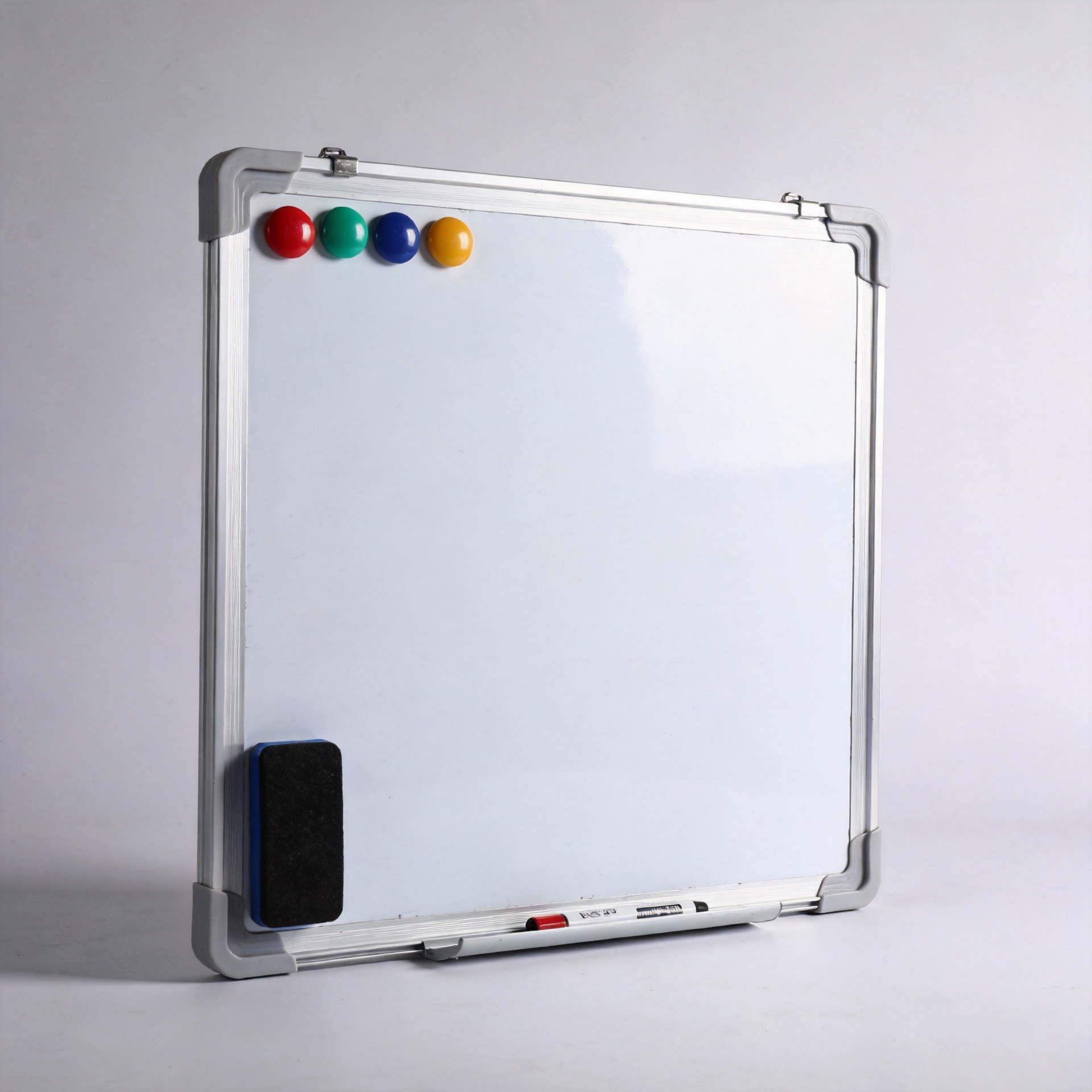
A magnetic writing board earns its place when a team needs to write, rearrange, display, and update information on the same surface. That combination is useful in a classroom, a project room, a reception area, or a home command center. The right choice is not simply the biggest panel or the lowest quote. It is the board whose surface, magnetic performance, size, mounting method, and cleaning routine match the way people will actually use it.
From a magnetic-materials adviser’s perspective, the practical questions come first: Will people write on it all day? Will it hold schedules, learning aids, or notices with magnets? Is it a long-term wall installation, or a frequently updated planning tool? Answering those questions makes magnetic board writing easier to specify and easier to maintain.
In education, a magnetic writing board can combine lesson notes with visual prompts, magnetic letters, cards, and student work. A 36 x 24 white board is often a manageable wall format for tutoring rooms, small-group instruction, home study spaces, or a teacher’s planning corner. Larger shared walls suit classrooms and meeting rooms where content must be readable from farther away.
In offices, the same surface can support stand-ups, shift notes, visitor information, or brainstorming. Teams that reuse a planning layout may prefer a board designed around a large wall calendar dry erase workflow, while teams that redraw information daily may care more about wipe-clean performance and clear sightlines. At home, magnetic writing boards can keep household schedules, lists, school reminders, and photos together without turning a refrigerator door into the only planning surface.
The key distinction is use frequency. A lightly used household board can prioritize appearance and compact dimensions. A high-traffic teaching or operations board should prioritize a surface that is appropriate for frequent writing and erasing, secure wall fixing, and magnetic holding suited to the materials people plan to display.
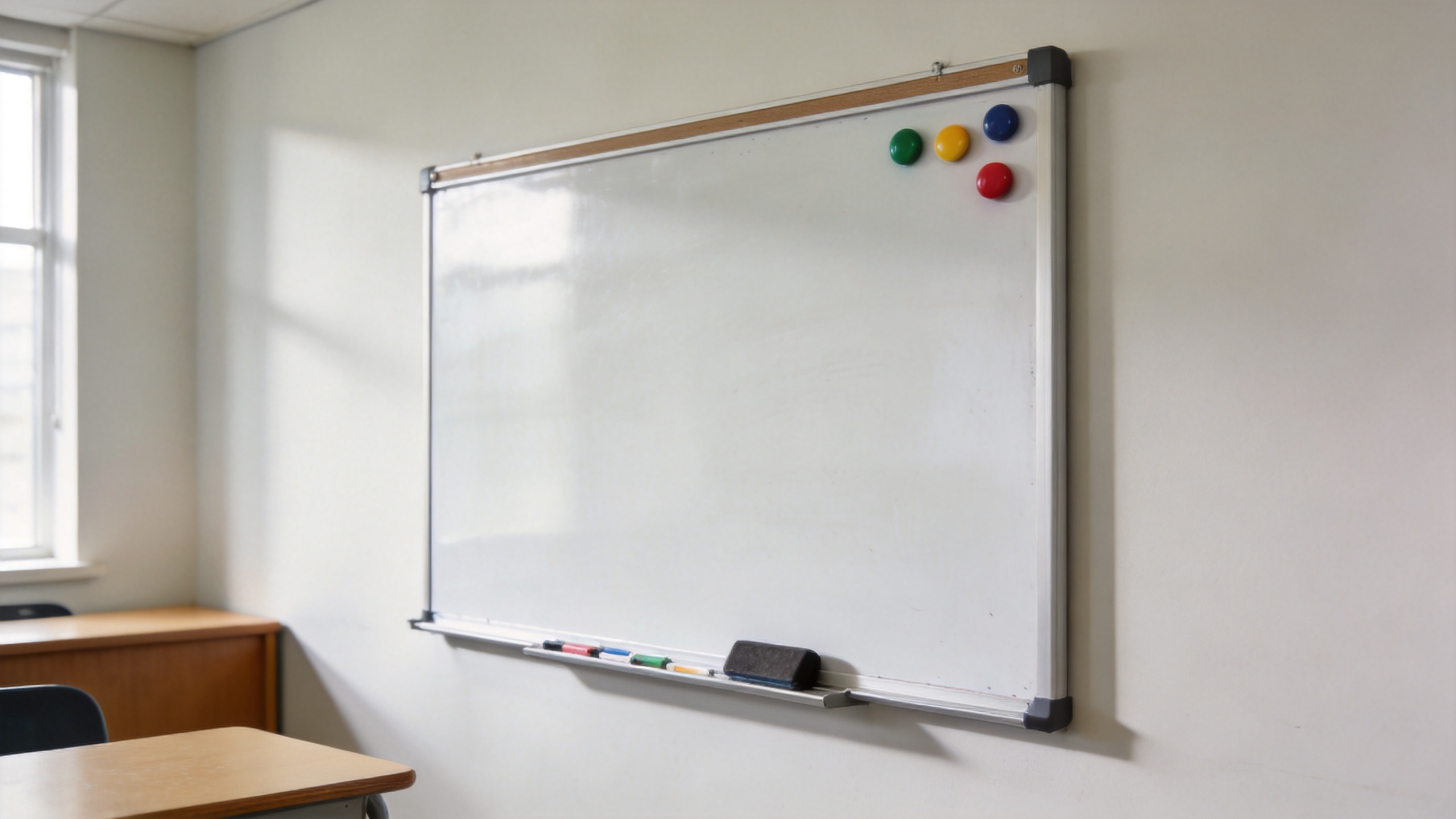
Surface material shapes the daily experience of magnetic board writing. Painted steel, porcelain-enamel steel, and magnetic glass all have valid applications, but they are not interchangeable.
| Surface option | Good fit | What to check before ordering |
|---|---|---|
| Painted steel | General office, home, and routine classroom writing | Confirm the writing surface quality, frame construction, backing, and intended writing frequency. |
| Porcelain-enamel steel | High-use shared environments where stain resistance and cleaning consistency matter | Request the supplier’s actual surface specification and confirm the magnet type you expect to use. |
| Magnetic glass | Design-led offices, reception areas, and planning spaces | Check mounting requirements and magnet compatibility; glass-board systems may require stronger, purpose-made magnets. |
Porcelain surfaces are commonly described as non-porous, which helps explain why buyers often compare them for regular cleaning. Still, surface choice should not be treated as a universal ranking. If a board will carry thick visual aids or many notices, the magnetic system matters as much as the writing layer. If it will be moved or installed on a delicate wall, weight and mounting details deserve equal attention.
Start with the information footprint, not the catalog dimension. A 4x6 whiteboard can give a department room for a multi-column plan, while a 36 x 24 white board is easier to place where wall space is limited. Before finalizing a custom size, mark the proposed outline on the wall with tape. Check viewing distance, door clearance, furniture, lighting glare, and whether users need room for magnets around their writing.
For calendar-led planning, decide whether the grid needs daily cells, weekly lanes, or a reusable month view. A large wall calendar dry erase layout is more useful when headings, notes, and magnet positions have enough breathing room. If people have to write tiny text to make a layout fit, a larger board or a simpler workflow is usually the better answer.
For procurement teams, the most useful quote is not just a unit price. Ask for the finished dimensions, active writing area, surface construction, backing, frame and corner details, hanging hardware, packaging method, sample process, and artwork requirements for any printed grid or branding. A supplier experienced with magnetic whiteboards and magnetic planners can also help translate a rough layout into a manufacturable format.
Use confirmed product information when reviewing relevant formats. For example, this customizable magnetic drywipe writing board provides a starting point for discussing a flexible magnetic-board application. A magnetic culture wall whiteboard is relevant when a company needs a board for notices or visual communication. For a planning-oriented format, review the magnetic dry erase fridge calendar as a product reference.
Price ranges vary substantially with size, surface, printed design, frame, packaging, and order volume. Rather than relying on a generic price band, compare like-for-like quotes and include sampling, freight, installation, replacement risk, and cleaning supplies. A lower initial price may not be the lower-cost option if the board does not fit the daily workflow or requires early replacement.
Good magnetic board writing is less about finding one universally “top” board and more about matching the format to the task. When the surface, dimensions, magnet needs, and maintenance plan are specified together, the result is a board people will keep using rather than a wall accessory that quickly becomes clutter.

2026/08/20
Unlock flexible, repositionable whiteboarding for education, agile offices, retail, healthcare & more. Cuttable, magnetic, certified — request your free B2B sample today.

2026/10/10
Discover the 2027 Texture Magnetic Collection & Exclusive Exhibition Promotions Dear Global Partners and Valued Clients, We are thrilled to announce that Shenzhen U&U Magnetic Technology Co., Ltd. (Brand: UCMD) will be officially exhibiting...

2026/08/19
Discover how UCMD® leverages the Canton Fair to showcase magnetic educational & lifestyle products, build global buyer trust, and drive OEM/ODM partnerships. Explore our certified, customizable solutions today.

2026/08/28
Our Commitment to People, Planet & IntegrityAt ShenZhen U&U Magnetic Technology Co., Ltd. (UCMD®), we believe that how we make our products matters as much as what we make. From our factory floor in Shenzhen's Bao An District to the hands...

Please tell us about your company's advantages and characteristics.

Please tell us about your company's advantages and characteristics.

Please tell us about your company's advantages and characteristics.

Please tell us about your company's advantages and characteristics.

Please tell us about your company's advantages and characteristics.

Please tell us about your company's advantages and characteristics.

