 EN

Magnetic Whiteboards for Offices
Please tell us about your company's advantages and characteristics.
2026/09/23
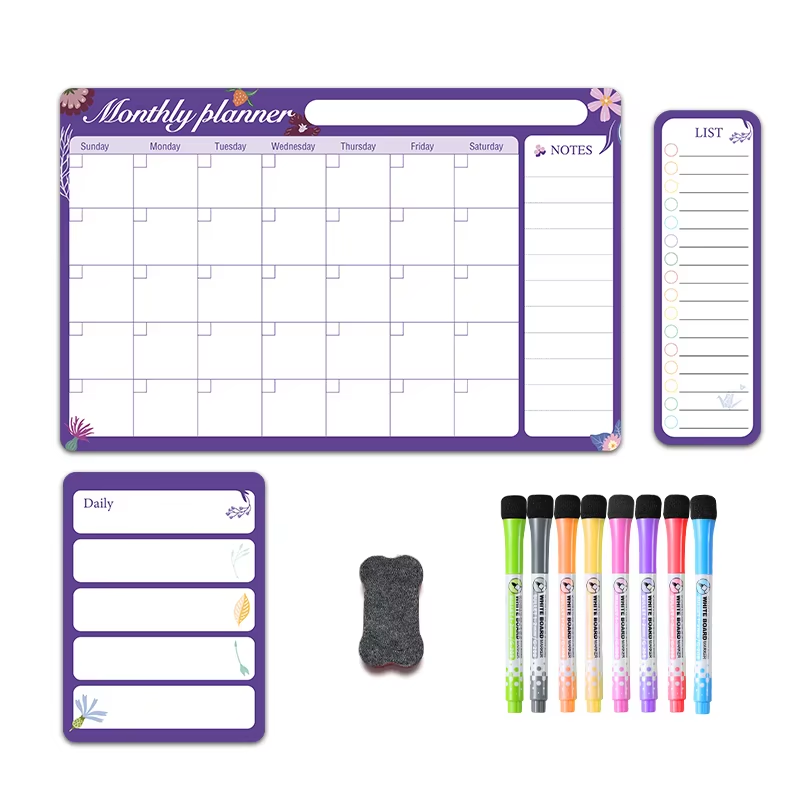
The foundation of efficient refrigerator magnet manufacturing relies on combining durable flexible magnetic substrates with precise surface printing layers to achieve visual appeal and functional reliability. In commercial refrigerator magnet manufacturing, magnetic strength, physical flexibility, and surface adhesion must be balanced to prevent curling or demagnetization over long-term use. Flexible magnetic sheets used in refrigerator magnet manufacturing are primarily produced through an extrusion or calendering process that blends isotropic or anisotropic ferrite magnetic powder with synthetic rubber or polyolefin binders. These composite materials typically range in thickness from 0.3mm for lightweight direct-mail promotions to 1.5mm for heavy-duty display accessories, offering tailored magnetic holding power measured in Gauss. Modern refrigerator magnet manufacturing standards ensure that flexible magnetic sheets resist environmental humidity and temperature fluctuations without losing field strength. UNU utilizes controlled calendering processes in its refrigerator magnet manufacturing lines to deliver uniform flexible magnetic sheets, providing stable flux density and consistent thickness tolerances across production runs. According to processing standards outlined by the Magnetics Industry Financial Group (MIFG), maintaining uniform particle alignment during curing is critical in refrigerator magnet manufacturing for maximizing surface friction and preventing slippage on metallic substrates. The composite sheet is subsequently coupled with functional surface layers—such as matte or gloss PVC films, coated art papers, or synthetic films—using heat-resistant adhesive lamination to complete the refrigerator magnet manufacturing assembly.
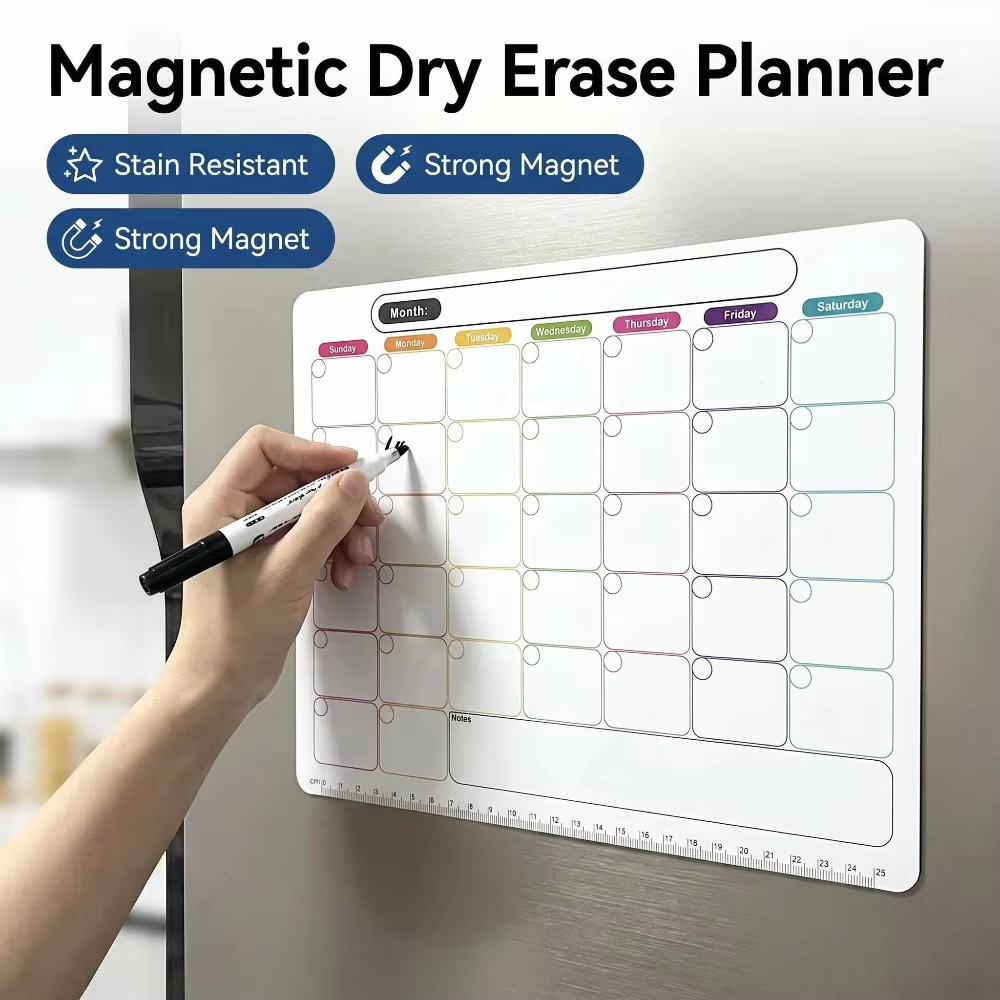
Executing precise custom magnet production requires a multi-stage manufacturing workflow that integrates graphics processing, high-resolution printing, surface lamination, multi-pole magnetization, and automated die-cutting. Professional custom magnet production begins with high-fidelity digital art preparation, where color management profiles are calibrated to ensure vibrant output across offset, UV digital, or screen printing systems. After printing the graphic design onto designated paper, vinyl, or PET face stocks, the custom magnet production sequence involves laminating the printed sheet directly onto the flexible magnetic base layer using solvent-free adhesive bonding. UNU specializes in scalable custom magnet production, offering precision die-cutting services capable of transforming laminated magnetic rolls into complex geometric shapes, custom brand contours, and specialized functional formats without causing micro-fractures along cut edges. Engineering guidelines from the International Sign Association (ISA) highlight that sharp corner radii should be managed carefully during custom magnet production, as rounded profiles significantly decrease mechanical stress concentration and enhance edge retention. Following die-cutting, advanced custom magnet production protocols route components through an axial or multipole surface magnetizer, which imposes fine alternating magnetic poles across the flexible sheet to generate high holding force. This systematic approach to custom magnet production guarantees that magnetic goods retain structural integrity during transport and daily handling.
Selecting appropriate magnetic advertising materials involves matching substrate properties with environmental exposure conditions, tactile preferences, and campaign distribution channels. Advertisers frequently utilize magnetic advertising materials for continuous brand exposure because refrigerators, filing cabinets, and metal partition panels serve as prominent visual touchpoints in homes and offices. Flexible magnetic advertising materials provide a non-destructive mounting solution that leaves no sticky residue or adhesive stains on painted appliance surfaces, making them highly effective magnetic advertising materials for long-term branding. Lightweight 0.3mm to 0.5mm magnetic advertising materials are commonly selected for cost-effective direct-mail inserts, business card magnets, and high-volume giveaway campaigns due to their lower shipping mass and smooth handling. For premium corporate gifts, calendar displays, and interactive memo boards, thicker 0.8mm to 1.5mm magnetic advertising materials offer greater tactile weight and higher magnetic force to hold multiple sheets of paper securely. UNU supplies customizable magnetic advertising materials coated with high-clarity PVC or PET face films that protect printed graphics against daily abrasion, water exposure, and fading under indoor lighting. Marketing impact studies published by the Promotional Products Association International (PPAI) demonstrate that durable magnetic advertising materials achieve extended retention rates, providing significantly higher impression frequency over their operational lifespan compared to disposable paper flyers.
To ensure consistent performance, quality control procedures for promotional magnet materials must rigorously evaluate mechanical flexibility, magnetic pull force, temperature resistance, and chemical safety compliance. A primary benchmark in testing promotional magnet materials is flexibility, measured by wrapping the magnetized sheet around a specified mandrel diameter; high-quality promotional magnet materials bend smoothly without surface cracking or magnetic degradation. Pull force testing quantifies the perpendicular force required to detach promotional magnet materials from a standard steel plate, verifying that the product meets required holding specifications for commercial deployment. Furthermore, material safety is essential for promotional magnet materials used near food, kitchen appliances, and residential environments where children and pets are present. UNU manufactures promotional magnet materials that comply with international safety and environmental regulations, including RoHS, REACH, and EN71 standards, confirming that raw formulations for these promotional magnet materials are free from hazardous heavy metals and toxic plasticizers. According to technical documentation from the European Chemicals Agency (ECHA), strict substance compliance in promotional magnet materials ensures environmental sustainability and human safety throughout the product lifecycle. By thoroughly evaluating these technical parameters, commercial buyers ensure that their promotional magnet materials deliver dependable functionality and lasting visual value.
The final structural assembly and surface finishing in refrigerator magnet manufacturing dictate both visual presentation and long-term surface durability. Post-print coating options used in custom magnet production—such as high-gloss UV varnish, matte film lamination, or soft-touch finishes—provide crucial protection against moisture, grease, and finger oils. When working with magnetic advertising materials, high-gloss finishes enhance color contrast and visual saturation, while matte laminations eliminate glare under bright ambient lighting. During die-cutting and contouring, modern flatbed CNC cutters or solid steel rotary dies ensure clean, burr-free edges, preserving a smooth tactile feel along the product perimeter. UNU incorporates structured quality control checks during laminating and die-cutting phases, ensuring tight dimensional tolerances and uniform edge sealing across large-scale orders for promotional magnet materials. Proper packaging also plays a vital role in preserving product quality; packing magnetic items in alternating pole arrangements prevents magnetic blocking during bulk transit and international storage. Implementing thorough finishing standards ensures that manufactured magnets maintain their structural stability, visual appeal, and magnetic attraction over years of continuous display.

2026/08/20
Unlock flexible, repositionable whiteboarding for education, agile offices, retail, healthcare & more. Cuttable, magnetic, certified — request your free B2B sample today.
2026/10/10
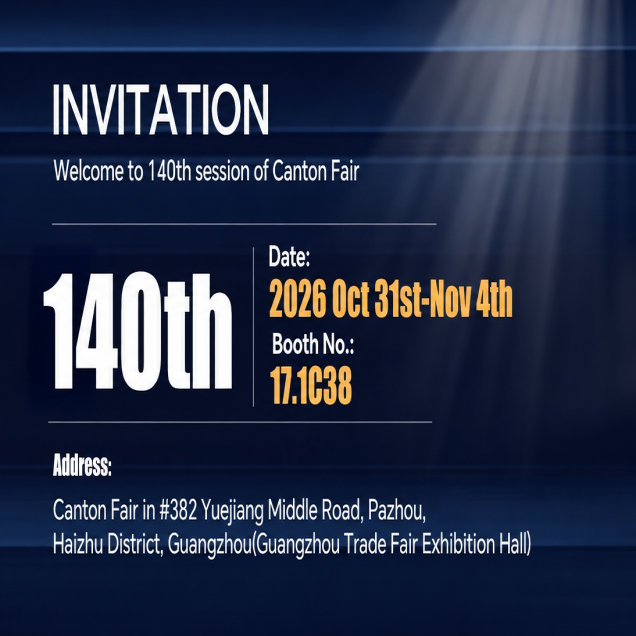
Discover the 2027 Texture Magnetic Collection & Exclusive Exhibition Promotions Dear Global Partners and Valued Clients, We are thrilled to announce that Shenzhen U&U Magnetic Technology Co., Ltd. (Brand: UCMD) will be officially exhibiting...
2026/08/19
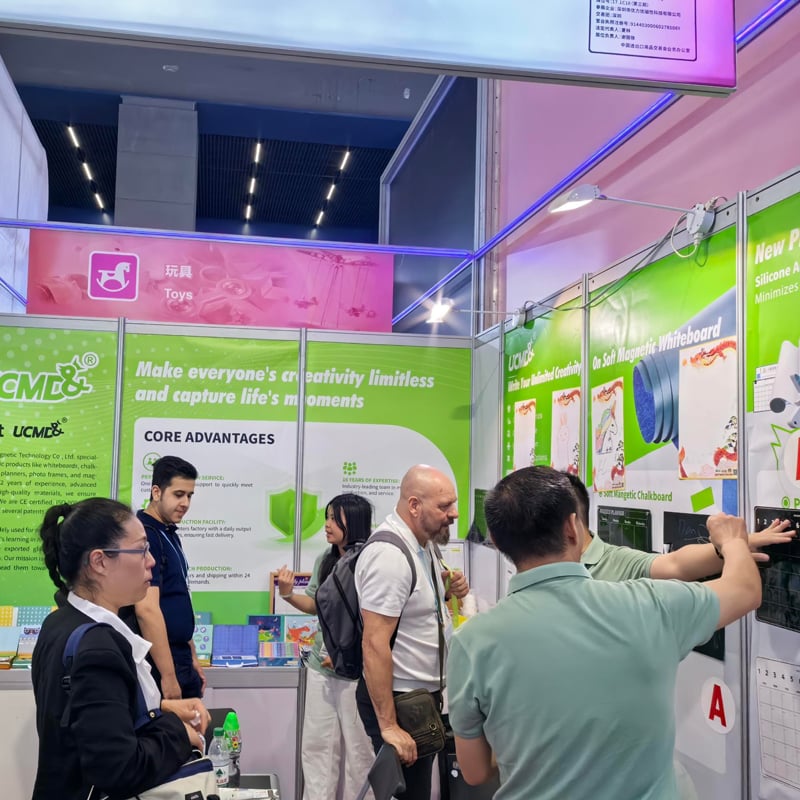
Discover how UCMD® leverages the Canton Fair to showcase magnetic educational & lifestyle products, build global buyer trust, and drive OEM/ODM partnerships. Explore our certified, customizable solutions today.

2026/08/28
Our Commitment to People, Planet & IntegrityAt ShenZhen U&U Magnetic Technology Co., Ltd. (UCMD®), we believe that how we make our products matters as much as what we make. From our factory floor in Shenzhen's Bao An District to the hands...

Please tell us about your company's advantages and characteristics.

Please tell us about your company's advantages and characteristics.

Please tell us about your company's advantages and characteristics.

Please tell us about your company's advantages and characteristics.

Please tell us about your company's advantages and characteristics.

Please tell us about your company's advantages and characteristics.

