 EN

Magnetic Whiteboards for Offices
Please tell us about your company's advantages and characteristics.
2026/09/26
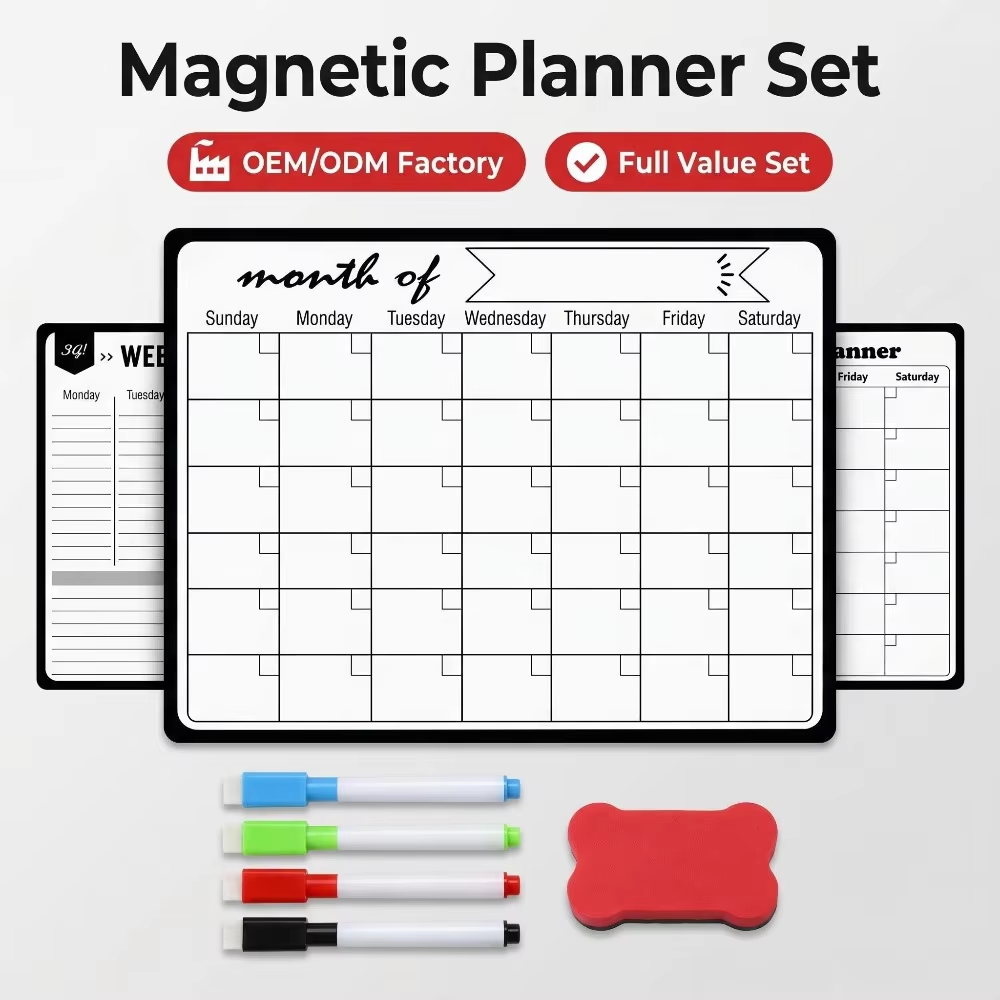
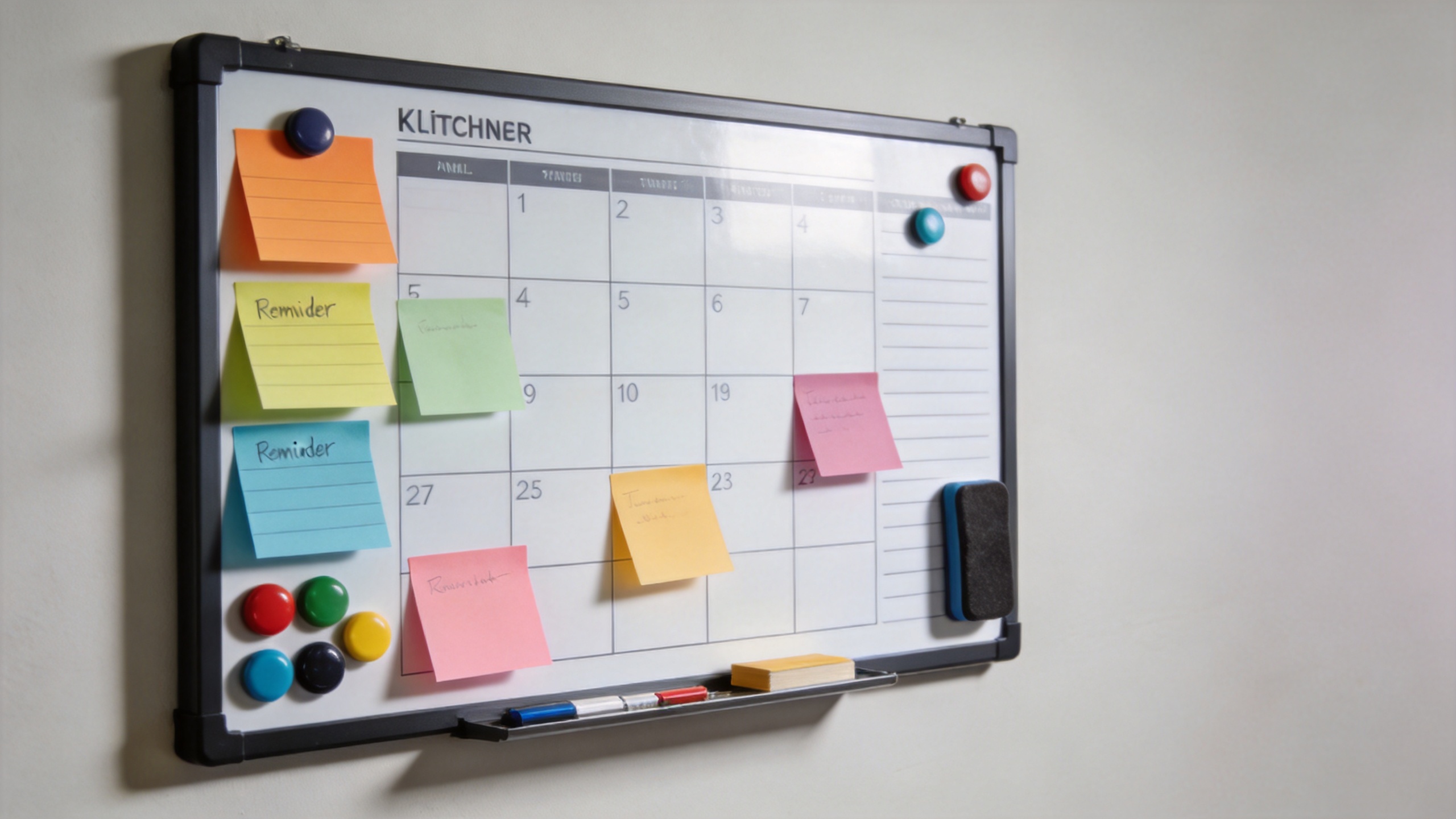
A memo magnetic board turns a wall, refrigerator, or shared work area into a visible place for tasks, messages, and changing information. The useful question is not simply “Which board looks right?” but “What will this memo magnetic board need to hold, how often will people write on it, and who will maintain it?” From a magnetic-products technical adviser’s viewpoint, surface material, backing, mounting, and magnet compatibility should be considered together.
For a family, a memo magnetic board can keep school notices, meal plans, and notes from disappearing into a drawer. In an office, it can support quick stand-up notes or a visible workflow. In a classroom or hallway, it can become a shared display surface. Those are different workloads, which is why a purchasing checklist is more useful than choosing by color or initial price alone.
Begin by listing the high-frequency actions: pinning paper, writing and erasing, displaying a weekly schedule, or switching visual content. A home kitchen may need a compact memo magnetic board that works with freezer magnets and reminder cards. A team room may need white boards for office that remain readable during short meetings. Schools often need larger boards for class material, notices, and reusable teaching aids.
Ask a practical question before comparing finishes: will people write on the board every day, or mostly attach paper with magnets? When writing is occasional, a simple dry-erase format may be sensible. When the board will be erased repeatedly by many users, the write surface and cleaning routine deserve more weight. In real installations, the large central display area tends to see far more use than decorative edge features; prioritize usable magnetic area first.
| Surface | Best fit | What to check |
|---|---|---|
| Painted steel | Value-focused homes, light-to-moderate office use, short-cycle displays | Coating quality, backing rigidity, edge finish, and erasing performance |
| Porcelain enamel on steel | Busy classrooms, training rooms, and long-term shared writing areas | Magnetic backing, mounting system, and whether the specified surface suits intensive cleaning |
| Magnetic glass | Design-led offices, reception areas, and premium planning spaces | Magnet strength through glass, glare, wall capacity, and suitable mounting hardware |
A steel-based memo magnetic board is often the practical starting point because it can balance magnetic function and budget. Painted steel surfaces are softer than porcelain enamel, so a buyer should inspect coating quality and use expectations rather than assume every board will behave the same. For an office where the board is updated periodically, this can be a reasonable choice.
Porcelain enamel is commonly selected for repeated writing because its non-porous vitreous surface is highly resistant to staining. That does not remove the need for normal care, but it can make sense when a memo magnetic board is a shared, high-use resource. Glass boards offer a clean, contemporary look and can be easy to wipe, yet their thickness changes the magnet question: buyers should specify magnets designed for the chosen glass board and review glare in rooms with strong windows or lighting.
For home organization, a refrigerator calendar or small wall format makes a memo magnetic board easy to see during everyday routines. A weekly grid can replace loose notes, but it should leave room for changing appointments. Buyers comparing an amazon weekly planner with a custom magnetic planner should check the usable writing cells, attachment method, and whether replacement markers and magnets are readily available.
For offices, use a larger memo magnetic board where teams need flexible content—not just a decorative sign. A dry-erase surface with enough room for agenda columns, action owners, and dates is generally more productive than a cramped board. For schools, consider viewing distance, mounting height, safe corners, and how many magnets or teaching cards will be needed. Standardizing a board size across rooms can simplify future replacement and accessory purchasing.
Where a project needs products rather than generic placeholders, buyers can review a magnetic culture wall whiteboard for a wall-display reference, a customizable magnetic dry-erase whiteboard for a writing-board reference, and a magnetic dry-erase fridge calendar for household planning context.
The right memo magnetic board is sized around the wall and workflow, not an arbitrary standard. Measure the clear display zone, account for door swings and furniture, and decide whether the board will be landscape, portrait, or a modular set. Custom sizing is useful for non-standard walls and branded installations; OEM conversations should clarify dimensions, artwork, grid layout, frame style, packaging, magnet set, and quality-approval samples before production.
Initially, teams may focus only on unit cost. Later, they often find that mismatched board sizes create accessory and replacement problems. A total-cost view includes mounting hardware, installation labor, cleaning effort, likely replacement frequency, and the cost of ordering compatible magnets. Confirm wall material early: a mounting method suitable for solid masonry may not suit a hollow wall, and changing plans after delivery adds avoidable time and cost.
There is no responsible universal price range for every memo magnetic board, because dimensions, surface construction, printing, frames, packaging, quantity, and shipping destination all change the quote. Instead, request comparable quotations with the same written specification. Low upfront pricing can be less economical if the board stains quickly, flexes after installation, or needs replacement sooner than expected.
This checklist helps a procurement team compare a memo magnetic board on long-term usefulness rather than treating all white surfaces as equivalent.
Routine care protects any memo magnetic board. Erase fresh dry-erase ink with a clean microfiber cloth or suitable eraser. For residue, use a cleaner approved for the board surface, apply it to the cloth rather than flooding seams, and dry the board afterward. Avoid abrasive pads, harsh scouring powders, and unknown solvents; they can dull coatings, damage printing, or leave a film that makes future writing harder to erase.
Keep magnets clean and dry, especially in kitchens where moisture or grease can transfer to the board. Replace worn erasers before they spread old ink. A final useful habit is to review mounting screws and frame condition during routine cleaning, particularly on shared boards that are handled often.
A good memo magnetic board makes important information visible without making maintenance difficult. Select steel for practical value where usage is moderate, porcelain enamel for sustained shared writing, or glass when a premium visual finish and appropriate magnets fit the project. Then match size, mounting, accessories, and OEM details to the people using the board. That approach gives homes, offices, and schools a board that stays organized long after the first week of use.

2026/08/20
Unlock flexible, repositionable whiteboarding for education, agile offices, retail, healthcare & more. Cuttable, magnetic, certified — request your free B2B sample today.

2026/10/10
Discover the 2027 Texture Magnetic Collection & Exclusive Exhibition Promotions Dear Global Partners and Valued Clients, We are thrilled to announce that Shenzhen U&U Magnetic Technology Co., Ltd. (Brand: UCMD) will be officially exhibiting...

2026/08/19
Discover how UCMD® leverages the Canton Fair to showcase magnetic educational & lifestyle products, build global buyer trust, and drive OEM/ODM partnerships. Explore our certified, customizable solutions today.

2026/08/28
Our Commitment to People, Planet & IntegrityAt ShenZhen U&U Magnetic Technology Co., Ltd. (UCMD®), we believe that how we make our products matters as much as what we make. From our factory floor in Shenzhen's Bao An District to the hands...

Please tell us about your company's advantages and characteristics.

Please tell us about your company's advantages and characteristics.

Please tell us about your company's advantages and characteristics.

Please tell us about your company's advantages and characteristics.

Please tell us about your company's advantages and characteristics.

Please tell us about your company's advantages and characteristics.

