 EN

Magnetic Whiteboards for Offices
Please tell us about your company's advantages and characteristics.
2026/09/21
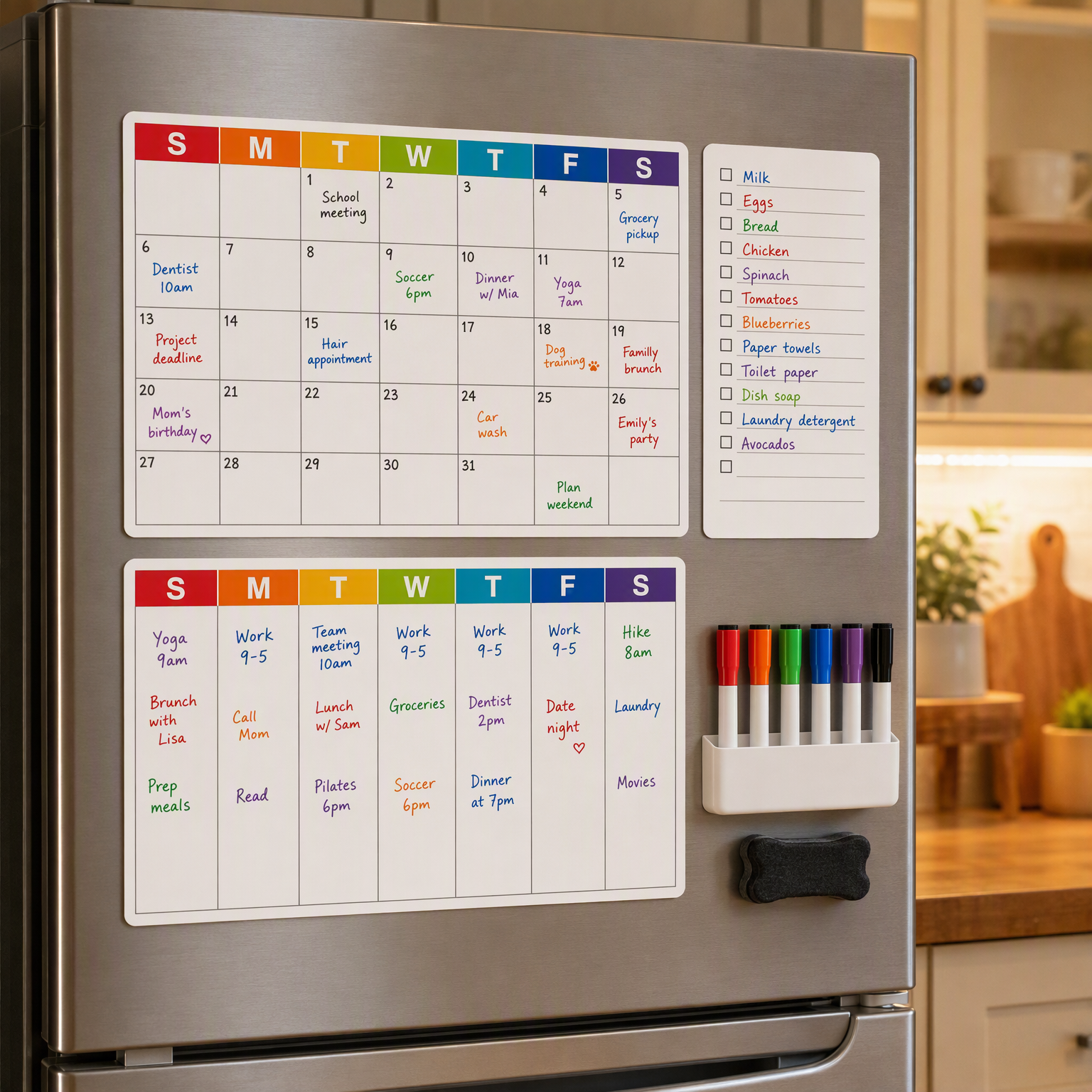
When I first stepped into the operations manager role at UNU, our team was drowning in a sea of sticky notes, forgotten whiteboards, and fragmented digital reminders that rarely synced up with actual team availability. Managing complex deliverables across multiple departments required a physical anchor point that everyone could see and interact with instantly. My initial skepticism about returning to a wall-mounted display melted away within the first week of testing. We discovered that when team members can physically gather around a centralized display to discuss monthly milestones, communication bottlenecks vanish overnight. Industry productivity studies consistently highlight that tactile, highly visible scheduling tools enhance cognitive retention and reduce scheduling friction by fostering shared situational awareness. Furthermore, adopting monthly magnetic calendars allows professionals to map out complex deliverables with absolute clarity, ensuring no critical deadline slips through the cracks. In modern workspace environments, transitioning from chaotic paper scraps to clean, structured tools like magnetic office calendars represents a fundamental shift in how teams achieve daily alignment. When combined with modern approaches to visual project planning, these physical tools bridge the gap between abstract digital goals and concrete daily execution, creating a harmonious ecosystem where creativity and accountability thrive side by side without unnecessary administrative friction.
The modern digital landscape offers countless software applications designed to keep us organized, yet many professionals experience severe fatigue from endless notification pings and buried calendar tabs. During our workflow audit at UNU, we noticed team members frequently missing high-level deadlines simply because they were buried under layers of sub-tasks inside complex software silos. To combat this digital fatigue, we introduced a centralized physical scheduling surface in our main conference room. This adjustment instantly transformed our daily stand-ups, as everyone could review upcoming milestones at a glance without navigating through multiple dropdown menus or user permission walls. Productivity researchers note that physical spatial awareness significantly enhances strategic alignment, allowing team members to process complex timelines much faster than scrolling through endless digital screens. Integrating monthly magnetic calendars into your office ecosystem provides this crucial spatial anchor, offering an unmissable visual reminder of upcoming deliverables. At the same time, complementing these physical boards with reliable magnetic office calendars gives branch teams the flexibility to track localized schedules simultaneously. When teams embrace visual project planning through tangible mediums, they foster an environment of radical transparency where obstacles are spotted early, accountability is shared naturally, and everyone remains deeply connected to the overarching mission and quarterly targets of the organization.
Choosing the correct hardware for your workspace requires careful consideration of material durability, writing surface quality, and magnetic strength to ensure long-term utility. When we outfitted our collaborative zones at UNU, we learned the hard way that cheap, low-grade whiteboards stain easily, warp under temperature changes, and lose their magnetic hold within a few months of heavy use. Investing in premium porcelain or tempered glass surfaces with robust magnetic backing ensures that your planning tool withstands daily marker changes, heavy notes, and frequent updates without degrading. Experts in workspace ergonomics recommend selecting surfaces that offer ghost-resistant writing layers and high-contrast grid layouts to maximize readability from across the room. When implementing monthly magnetic calendars, ensure the grid spacing provides ample room for daily notes, urgent tags, and color-coded priority markers. Similarly, pairing your primary boards with smaller magnetic office calendars near individual department desks helps local teams track immediate tasks without crowding the main management board. By prioritizing build quality and thoughtful layout design during your visual project planning initiatives, you protect your investment and build a resilient infrastructure that supports seamless collaboration, eliminates daily guesswork, and keeps your entire workforce synchronized across every single active project phase.
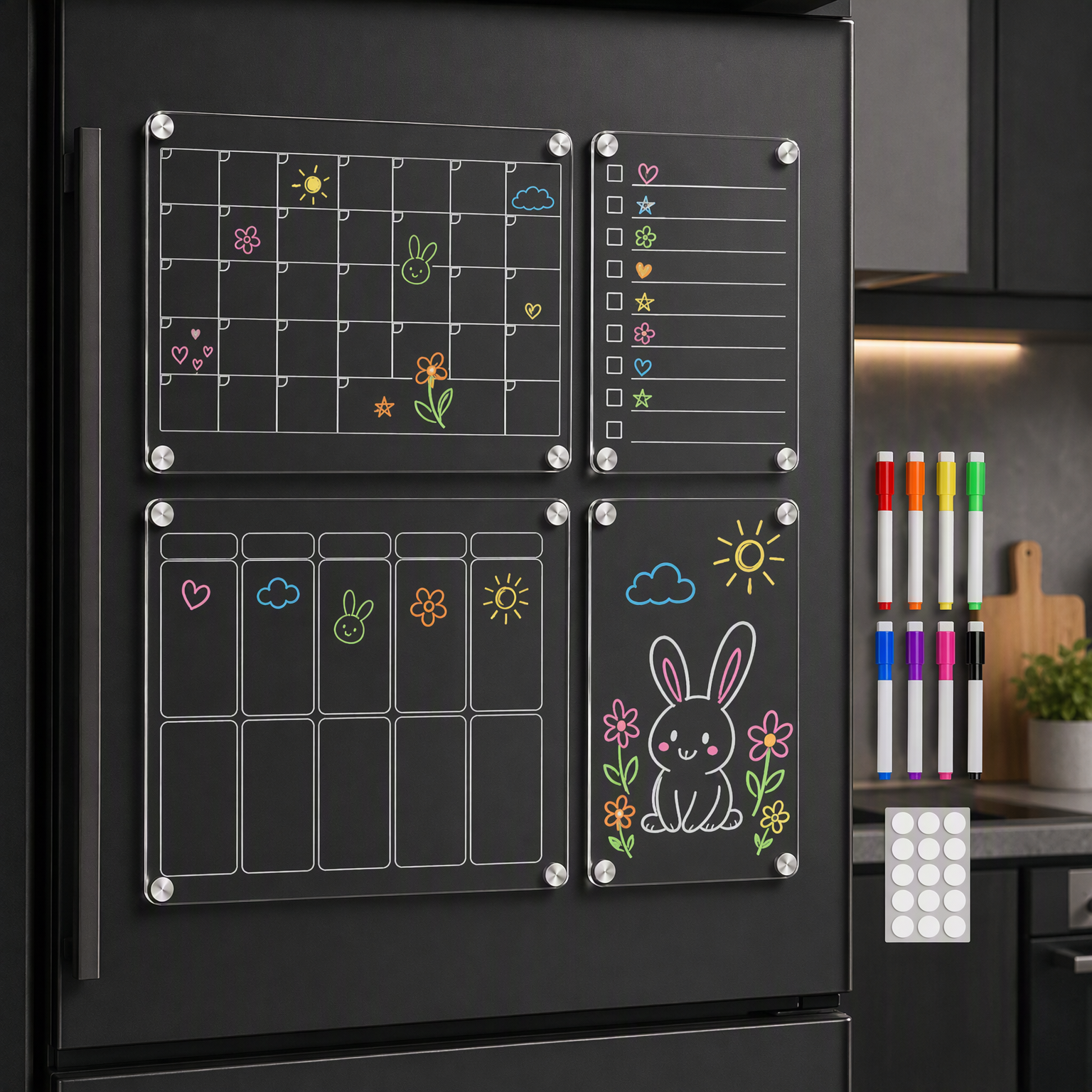
A magnificent planning tool remains useless if it sits untouched on a wall, disconnected from the rhythm of your daily operations and team culture. During our rollout phase at UNU, we established a strict ten-minute morning stand-up right in front of our main scheduling board to ensure active engagement from every participant. This simple routine change turned a static wall fixture into a dynamic collaboration hub where team members could adjust timelines, flag emerging risks, and celebrate completed milestones together in real-time. Organizational behavior specialists emphasize that rituals tied to physical displays dramatically improve team cohesion and cross-departmental transparency. By utilizing monthly magnetic calendars as the focal point of your daily syncs, you encourage proactive communication rather than reactive firefighting. Furthermore, incorporating supplementary magnetic office calendars in specialized project pods ensures that sub-teams maintain localized autonomy while staying aligned with macro deliverables. When these routines are anchored in sound visual project planning principles, every employee understands their daily contribution to the broader company goals, creating an energized workplace culture built on trust, mutual accountability, and transparent workflow execution from the ground up.
Implementing a new organizational system is only the starting point; continuous evaluation and minor adjustments are vital to ensure long-term success and adaptability. After six months of utilizing our upgraded physical and visual scheduling framework at UNU, we conducted an internal review to measure deadline adherence, team satisfaction, and overall administrative time saved. The feedback was overwhelmingly positive, noting a dramatic reduction in missed milestones and a noticeable boost in cross-departmental collaboration. However, we also identified minor areas for improvement, such as optimizing our color-coding system and refining how we categorize long-term versus short-term deliverables on the board. Remember that your planning infrastructure should evolve alongside your growing business needs. By regularly auditing how your team interacts with your monthly magnetic calendars, gathering honest operational feedback, and fine-tuning your layout, you create a sustainable productivity ecosystem. Integrating compact magnetic office calendars into auxiliary workspaces further extends this flexibility, ensuring every department stays nimble. Through disciplined visual project planning and continuous refinement, your organization remains resilient, transparent, and fully prepared to navigate future growth with absolute confidence and strategic clarity.

2026/08/20
Unlock flexible, repositionable whiteboarding for education, agile offices, retail, healthcare & more. Cuttable, magnetic, certified — request your free B2B sample today.

2026/10/10
Discover the 2027 Texture Magnetic Collection & Exclusive Exhibition Promotions Dear Global Partners and Valued Clients, We are thrilled to announce that Shenzhen U&U Magnetic Technology Co., Ltd. (Brand: UCMD) will be officially exhibiting...

2026/08/19
Discover how UCMD® leverages the Canton Fair to showcase magnetic educational & lifestyle products, build global buyer trust, and drive OEM/ODM partnerships. Explore our certified, customizable solutions today.

2026/08/28
Our Commitment to People, Planet & IntegrityAt ShenZhen U&U Magnetic Technology Co., Ltd. (UCMD®), we believe that how we make our products matters as much as what we make. From our factory floor in Shenzhen's Bao An District to the hands...

Please tell us about your company's advantages and characteristics.

Please tell us about your company's advantages and characteristics.

Please tell us about your company's advantages and characteristics.

Please tell us about your company's advantages and characteristics.

Please tell us about your company's advantages and characteristics.

Please tell us about your company's advantages and characteristics.

