 EN

Magnetic Whiteboards for Offices
Please tell us about your company's advantages and characteristics.
2026/09/18
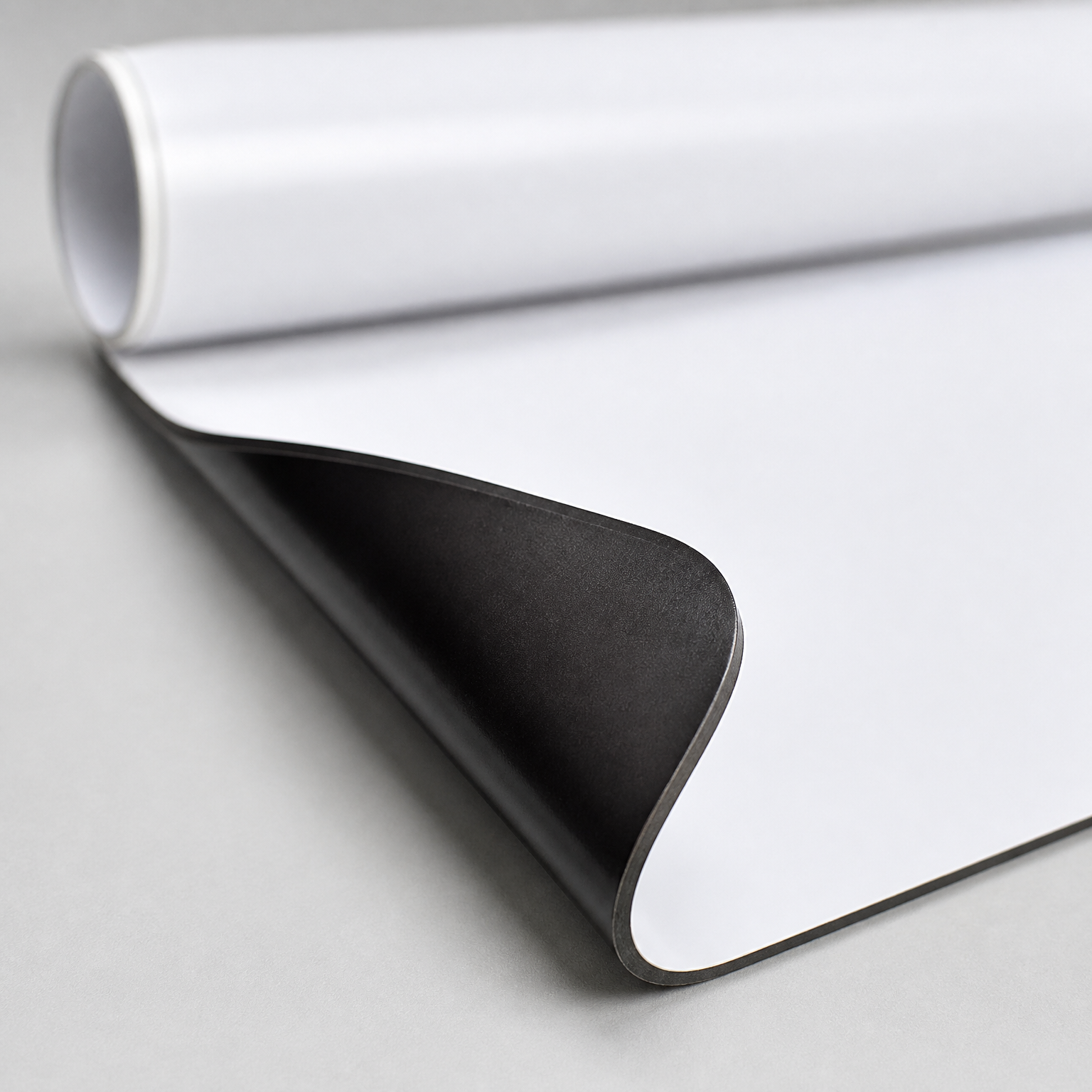
Undertaking a successful magnetic whiteboard installation requires a meticulous approach to surface evaluation and preparation, drawing directly from professional field experience in commercial and educational setup projects. Before touching any tools, one must carefully inspect the wall substrate, distinguishing between drywall with metal or wooden studs, solid concrete, and masonry block. In professional practice, failing to verify stud spacing or anchor weight limits is the leading cause of structural sagging or detachment over time. At UNU, our whiteboards are engineered with durable writing surfaces and sturdy backing frames, meaning proper preliminary alignment prevents costly errors. Technicians should always gather the correct heavy-duty toggle bolts or masonry anchors alongside a reliable spirit level, measuring tape, and a variable-speed power drill. Ensuring that the installation height accommodates the intended audience—whether corporate teams or students—sets the foundational standard for safety and ergonomics before any drilling commences.
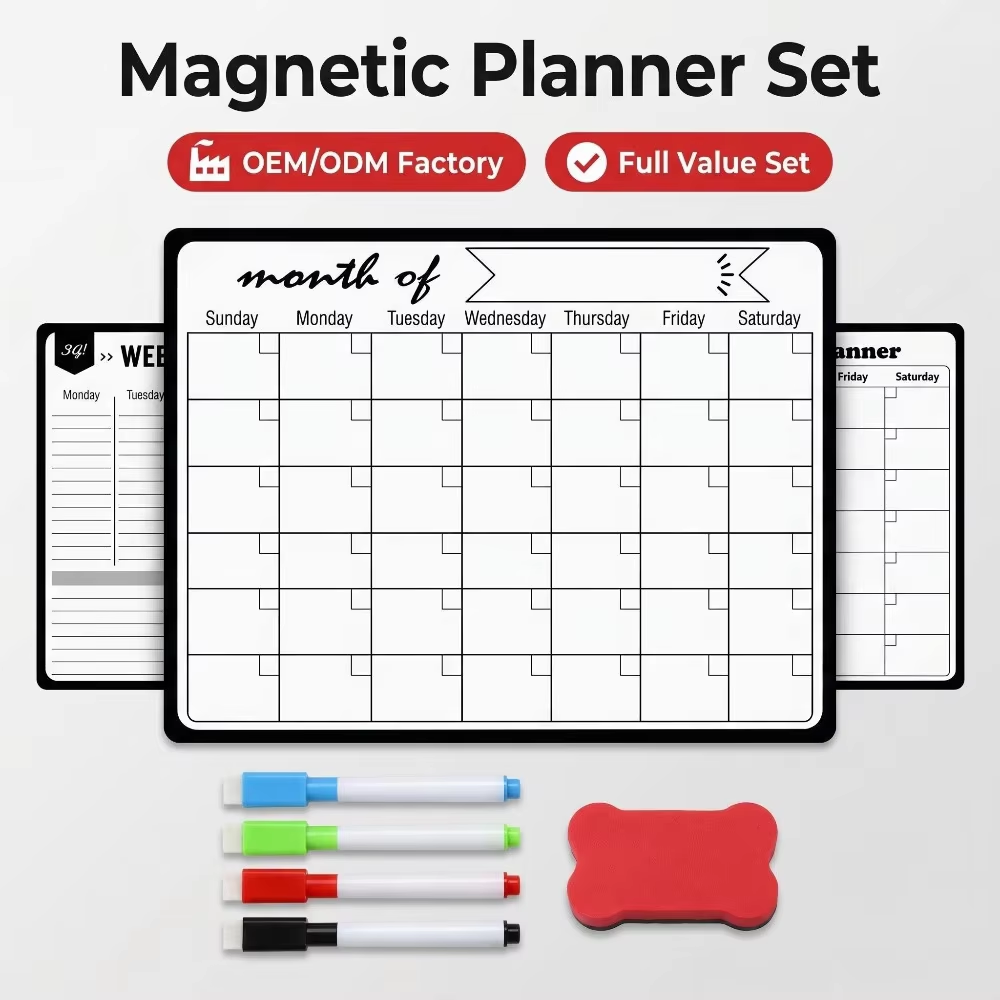
Executing a precise wall-mounted whiteboard setup demands a methodical, step-by-step workflow to guarantee structural integrity and flawless leveling. Based on standard industry installation protocols, having a two-person team is highly recommended to safely hold, position, and mark the heavy board without risking frame distortion or surface scratching. Begin by lifting the UNU whiteboard to the target height, using a spirit level placed across the frame edge to ensure absolute horizontal alignment before marking the bracket screw holes with a sharp pencil. Once the pencil marks are established, drill pilot holes matching the exact diameter required for your chosen wall anchors. Gently tap the anchors into place, align the mounting brackets, and drive the screws securely until flush with the bracket surface. Finally, carefully hang the whiteboard onto the secured brackets and engage any built-in locking mechanisms or bottom stabilizer clips. This rigorous sequence eliminates shifting during intensive daily writing and ensures the board remains safely locked to the wall structure.
Implementing a safe and durable kids whiteboard mounting solution involves addressing unique height parameters, impact resistance, and child-safe hardware configurations. Educational environments and home children's rooms experience high-frequency, dynamic interactions where whiteboards may encounter unexpected leaning or pressure from active learners. According to safety guidelines established by educational interior specialists, mounting boards lower to the ground requires specialized lower support brackets and tamper-proof fasteners to prevent accidental unhooking. UNU designs its boards with reinforced corners and secure perimeter frames, offering robust durability under rigorous conditions. Installers must verify that all anchor points distribute weight evenly across multiple studs or heavy-duty wall anchors, completely eliminating any risk of tipping. By tailoring the installation height to young users and reinforcing the mounting fixtures, supervisors create an engaging, interactive learning zone that maintains absolute physical safety.
Designing an optimal educational whiteboard setup goes beyond simple mechanical fastening; it incorporates spatial acoustics, lighting angles, and collaborative accessibility. In modern classrooms and training facilities, whiteboards serve as the central hub for interactive instruction, making glare reduction and sightline optimization critical variables. Positioning the board away from direct, unshaded window glare prevents eye strain and ensures text readability from every corner of the room. Furthermore, integrating magnetic accessories like tray attachments or marker holders requires stable side clearances. UNU products feature smooth, high-contrast porcelain or painted steel writing surfaces that optimize marker visibility under both natural and artificial fluorescent lighting. By combining correct placement principles with ergonomic height standards, educators maximize student engagement and streamline daily teaching workflows without encountering visual fatigue or structural interference.
Executing a final quality inspection following any magnetic whiteboard installation or educational whiteboard setup ensures that the entire assembly meets rigorous safety and functional standards before daily operational use begins. Installers should perform a gentle yet firm pressure test across the center and edges of the wall-mounted whiteboard setup to verify that zero wall play or bracket flex exists under load. Additionally, checking the magnetic receptivity across the entire board surface guarantees that accessories and markers adhere uniformly without dead spots. UNU emphasizes that verifying these final technical parameters prevents premature wear and safeguards users against unexpected hardware loosening in high-traffic commercial or learning environments.
Maintaining the structural longevity and pristine writing performance of your kids whiteboard mounting and overall board system relies on routine inspection protocols and proper cleaning habits. Over months of continuous classroom or office use, vibration from aggressive erasing can gradually loosen wall anchors and mounting screws if periodic checks are neglected. Industry maintenance standards recommend inspecting all bracket screws and stabilizing clips semi-annually to preemptively catch any micro-loosening before stability is compromised. Additionally, routine cleaning with manufacturer-recommended microfiber cloths and non-abrasive cleaning solutions prevents ghosting, ink buildup, and surface degradation. By pairing a meticulous initial installation with disciplined ongoing maintenance, your UNU whiteboard remains a reliable, professional-grade asset for communication and productivity across years of intensive service.

2026/08/20
Unlock flexible, repositionable whiteboarding for education, agile offices, retail, healthcare & more. Cuttable, magnetic, certified — request your free B2B sample today.

2026/10/10
Discover the 2027 Texture Magnetic Collection & Exclusive Exhibition Promotions Dear Global Partners and Valued Clients, We are thrilled to announce that Shenzhen U&U Magnetic Technology Co., Ltd. (Brand: UCMD) will be officially exhibiting...

2026/08/19
Discover how UCMD® leverages the Canton Fair to showcase magnetic educational & lifestyle products, build global buyer trust, and drive OEM/ODM partnerships. Explore our certified, customizable solutions today.

2026/08/28
Our Commitment to People, Planet & IntegrityAt ShenZhen U&U Magnetic Technology Co., Ltd. (UCMD®), we believe that how we make our products matters as much as what we make. From our factory floor in Shenzhen's Bao An District to the hands...

Please tell us about your company's advantages and characteristics.

Please tell us about your company's advantages and characteristics.

Please tell us about your company's advantages and characteristics.

Please tell us about your company's advantages and characteristics.

Please tell us about your company's advantages and characteristics.

Please tell us about your company's advantages and characteristics.

