 EN

Magnetic Whiteboards for Offices
Please tell us about your company's advantages and characteristics.
2026/09/28
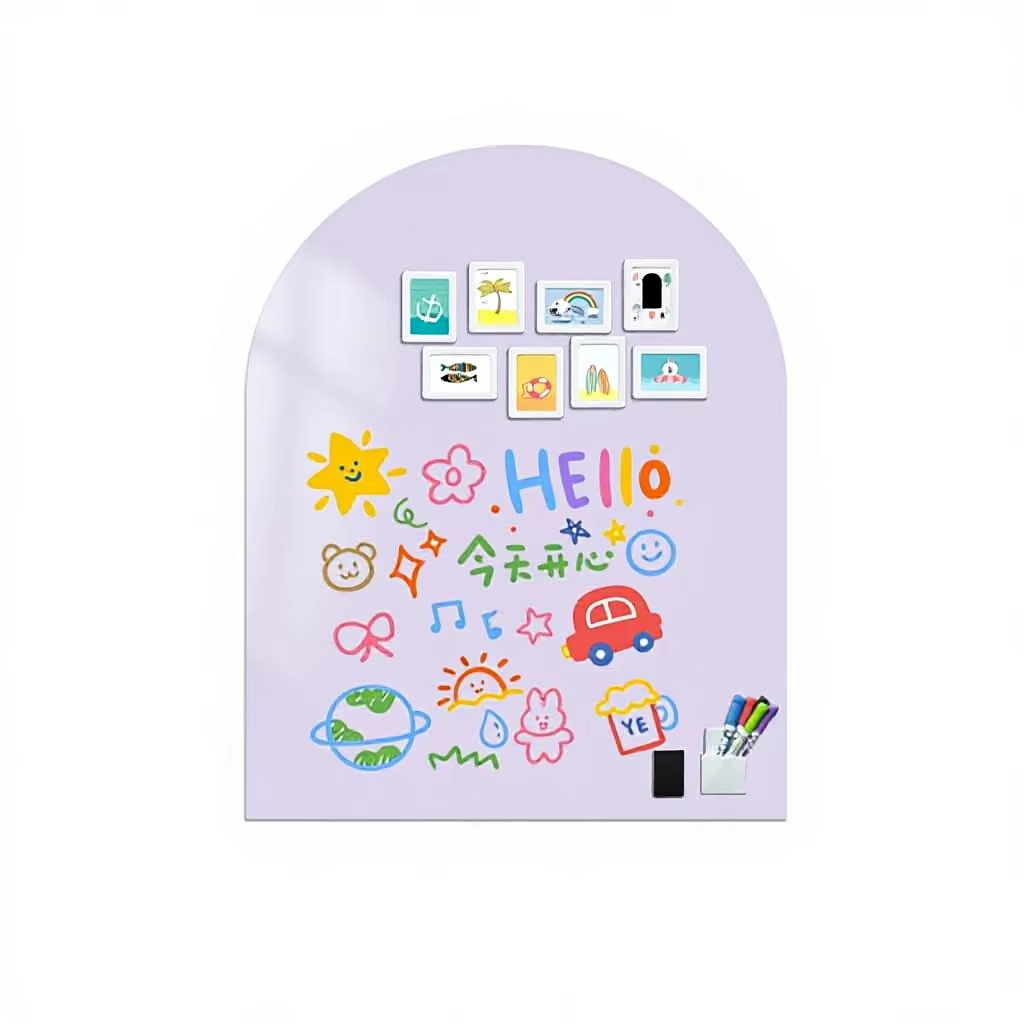
Most people picture paper when they hear weekly planner sheets: a fresh printable page, a notebook insert, or a stack of forms waiting to be filled in. That can work well, but it is not the only useful format. Reusable magnetic weekly planner sheets make the plan visible where people already make decisions—on a refrigerator, filing cabinet, whiteboard, or shared work surface—and let the layout change as the week changes.
A weekly planning routine is more than a tidy list. One field experiment on weekly planning behaviour found positive effects on weekly cognitive flexibility, while also reporting fewer unfinished-task and rumination effects. The lesson for a planner buyer is practical rather than clinical: a plan has more value when it is easy to see, update, and review. A reusable surface can support that habit without requiring a new sheet every Monday.
Misconception 1: a printable sheet is necessarily the simplest choice. Printable sheets are portable and familiar, but they can disappear into a notebook or under a pile of papers. A magnetic weekly planner for fridge placement keeps family meals, appointments, chores, and school reminders in a shared line of sight. In an office, the same principle can help a small team see handoffs, priorities, or campaign deadlines.
Misconception 2: reusable means one generic layout. A dry-erase planner can be configured for the working rhythm it needs to show. Some users need seven equal day columns. Others need a short list of weekly priorities, a notes area, a meal plan, a habit tracker, or a simple “must move forward” section. Well-designed weekly planner sheets reduce the number of places a person has to check, rather than adding another decorative surface.
Misconception 3: the lowest unit price is automatically the most suitable buying decision. For a retailer, school, office manager, or promotional buyer, the useful comparison includes replacement frequency, cleanability, display location, and whether a layout can be adapted for the end user. A slightly more considered reusable format may create less recurring paper handling and a more consistent experience for the people who use it.
| Format | Where it works well | What to evaluate |
|---|---|---|
| Paper weekly sheets | Personal journaling, travel, detailed notes | Printing cycle, storage, and whether the sheet stays visible |
| Digital calendar | Remote coordination, alerts, recurring events | Screen fatigue, shared access, and how easily priorities are seen at a glance |
| Reusable magnetic planner | Kitchen routines, classrooms, shared offices, retail kits | Magnetic surface compatibility, layout, writing area, and cleaning routine |
The formats are not mutually exclusive. A family may keep recurring appointments in a digital calendar while using a magnetic weekly planner for fridge visibility. A company may use software for project management and a physical planner near a team desk for today’s decisions. The practical question is: where must people see the plan before they can act on it?
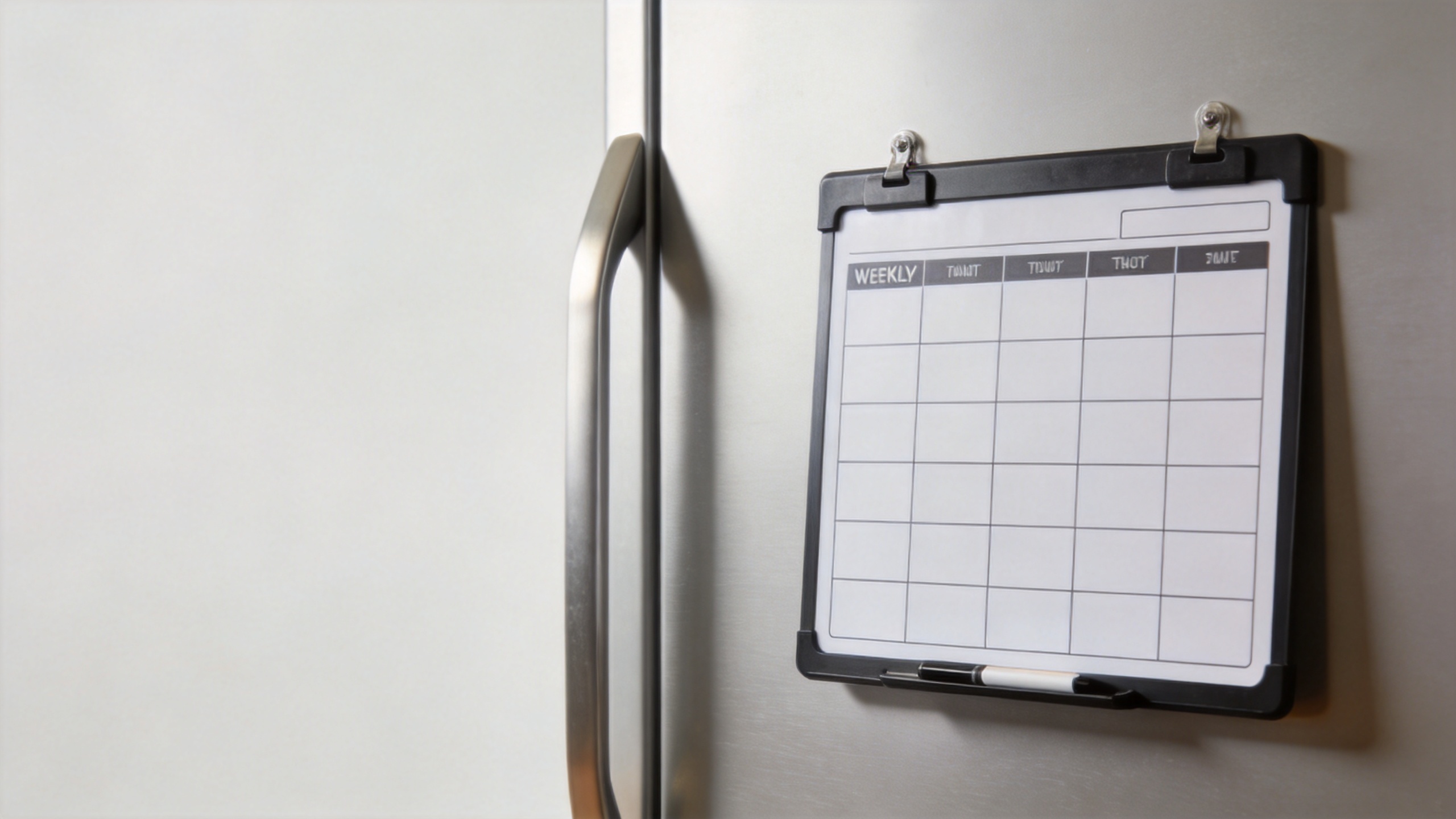
Look for weekly planner sheets with enough room for meals, school events, errands, and a running task list. A magnetic weekly planner for fridge use should match the usable door or side-panel space and the household’s writing habits. If several people add information, a clean visual hierarchy is often more important than adding every possible tracker.
Choose a layout that shows ownership and timing clearly. Weekly and monthly viewing areas can work together when teams need to see immediate tasks and approaching dates. For child-facing or school settings, ask about practical details such as rounded frame options and material suitability for the intended environment rather than assuming all boards are alike.
Retail buyers can build a range around different visual styles and formats: compact fridge planners, larger shared boards, and bundles with markers or task areas. A 6 month planner concept may suit customers who want a longer planning horizon, while weekly formats provide the frequent reset that many households prefer. Promotional programs can also use advertisement magnets thoughtfully: the branded element should support the planner’s usability instead of crowding out the schedule.
For buyers sourcing at scale, it is worth comparing physical samples in the intended setting. A glossy white surface can look striking, but frequent daily updates may make a more forgiving layout and easy-clean finish the smarter operational choice. That is a choice about use, not just appearance.
For a conventional shared-board format, see the Weekly Planner Magnetic Board Dry Erase Monthly Planner Whiteboard for Fridge. For kitchen-oriented planning, the Reusable Magnetic Fridge Calendar Monthly & Weekly Planner with Dry Erase Markers for Kitchen Organization shows a combined monthly-and-weekly format. Buyers who prefer a removable planning surface can also review the Reusable Silicone Calendar Removable Weekly and Monthly Planner with To-Do List for Office and Home Use.
These links identify available formats; the final choice should still be based on the confirmed specification, application, and purchasing requirements.
Build a simple reset into the week: photograph any information that must be archived, erase completed items, and rewrite only what remains relevant. For daily cleaning, use a soft, non-abrasive material and follow the product-specific care guidance. Dry-erase markings can eventually leave residue or ghosting, so avoid aggressive cleaners unless they are approved for that surface and test a small area first.
If you are buying for a retail line or an OEM program, include concise care guidance with the product. Clear instructions protect the user experience and make a reusable planner feel genuinely reusable rather than temporary.
Useful weekly planner sheets are not necessarily the most elaborate. They put the next decision in view, make updates uncomplicated, and match the setting in which people plan. Whether you choose paper, an app, or a magnetic dry-erase surface, start with the audience’s routine. For shared visual planning and repeat use, a well-specified reusable planner can turn an ordinary wall or refrigerator into a practical weekly command point.

2026/08/20
Unlock flexible, repositionable whiteboarding for education, agile offices, retail, healthcare & more. Cuttable, magnetic, certified — request your free B2B sample today.

2026/10/10
Discover the 2027 Texture Magnetic Collection & Exclusive Exhibition Promotions Dear Global Partners and Valued Clients, We are thrilled to announce that Shenzhen U&U Magnetic Technology Co., Ltd. (Brand: UCMD) will be officially exhibiting...

2026/08/19
Discover how UCMD® leverages the Canton Fair to showcase magnetic educational & lifestyle products, build global buyer trust, and drive OEM/ODM partnerships. Explore our certified, customizable solutions today.

2026/08/28
Our Commitment to People, Planet & IntegrityAt ShenZhen U&U Magnetic Technology Co., Ltd. (UCMD®), we believe that how we make our products matters as much as what we make. From our factory floor in Shenzhen's Bao An District to the hands...

Please tell us about your company's advantages and characteristics.

Please tell us about your company's advantages and characteristics.

Please tell us about your company's advantages and characteristics.

Please tell us about your company's advantages and characteristics.

Please tell us about your company's advantages and characteristics.

Please tell us about your company's advantages and characteristics.

