 EN

Magnetic Whiteboards for Offices
Please tell us about your company's advantages and characteristics.
2026/09/15
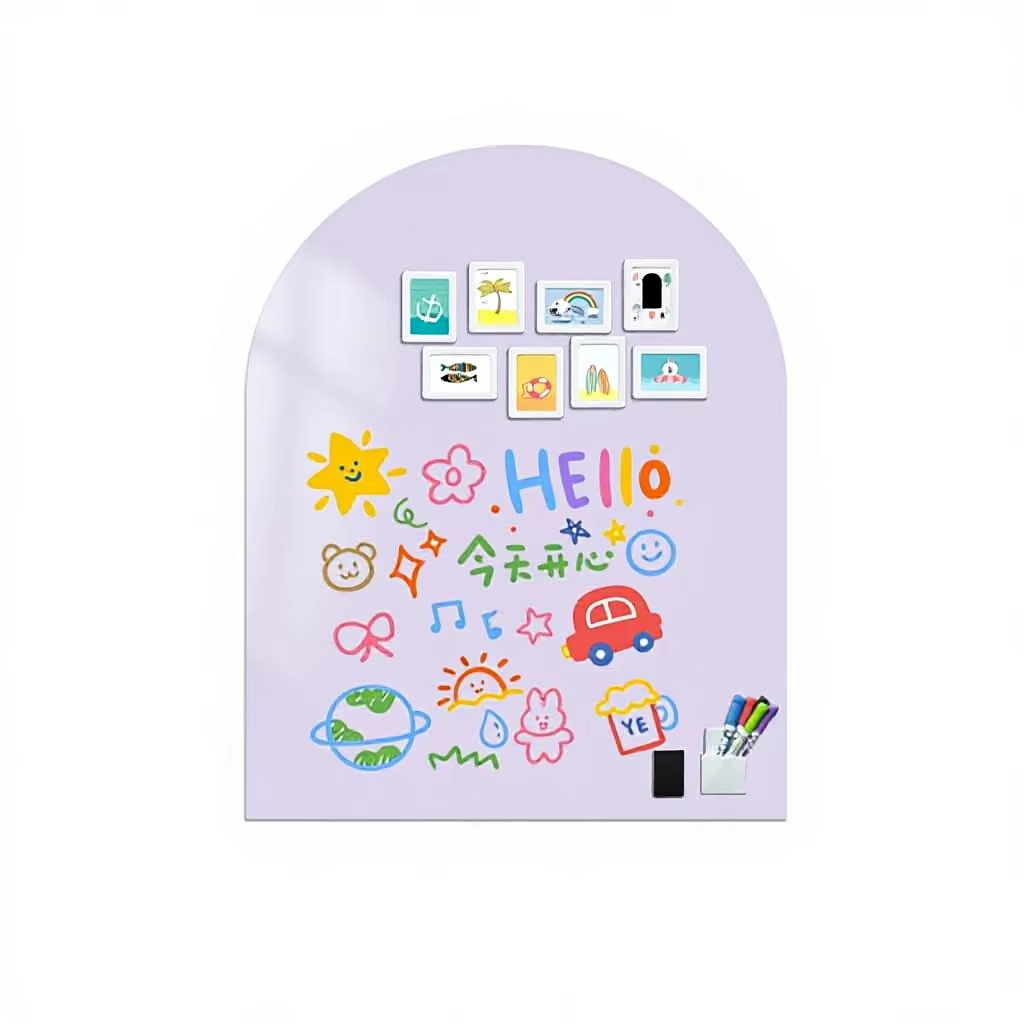
When collaborative teams, project managers, and office administrators evaluate lightweight visual planning tools for modern workspaces, they frequently debate the utility of traditional memo notes versus flexible adhesive writing surfaces. The core article title, Whiteboard Sticker vs Post-It: Which Is More Practical?, captures a fundamental dilemma faced by fast-paced environments striving to optimize workflow transparency without cluttering physical meeting rooms. Traditional sticky notes have long served as the staple for quick brainstorming sessions, agile sprint planning, and ad-hoc reminders. However, their small dimensions and limited re-adhesiveness often create excessive paper waste and disorganization during long-term project tracking. Conversely, modern adhesive writing solutions offer expansive writing real estate directly on walls, glass partitions, and desk surfaces. When evaluating these options through an operational lens, facility managers must weigh tactile convenience against structural longevity, writing space capacity, and overall environmental impact. At UNU, our manufacturing and spatial organization insights indicate that modern enterprises increasingly require versatile, reusable writing solutions that transcend the limitations of disposable paper memos. When organizations search for a reliable post it whiteboard sticker alternative, they prioritize clean erasability and durability. Understanding the structural differences, application longevity, and practical utility of each tool ensures that your organization invests in a visual management strategy that elevates daily productivity, minimizes recurring supply costs, and supports sustainable corporate practices across all departmental tiers. Furthermore, exploring multiple collaborative tools ensures procurement teams do not compromise on essential functional requirements when planning comprehensive office upgrades or multi-departmental rollouts.
Traditional self-adhesive notes have dominated office brainstorming culture for decades due to their extreme portability, low upfront cost, and intuitive tactile format. When teams gather for rapid ideation sessions, writing thoughts on small paper squares and grouping them on a whiteboard or wall allows for fluid, organic categorization. This flexibility is particularly valuable during early-stage agile development, UX mapping workshops, and creative brainstorming meetings where ideas evolve rapidly. Despite these collaborative benefits, traditional sticky notes present notable operational limitations when deployed for sustained project management. Their diminutive surface area strictly limits the volume of detailed information, architectural schemas, or multi-week schedules that can be recorded legibly. Furthermore, in high-humidity environments or active manufacturing plants, the low-tack adhesive backing frequently degrades, causing critical notes to curl, fall off, and become permanently lost. From a financial and ecological perspective, relying on single-use paper notes generates continuous recurring expenses and contributes to avoidable corporate waste. When comparing sticky notes vs whiteboard stickers, facility managers note that paper memos excel in momentary brainstorming, but their lack of durability and limited data capacity render them inefficient for permanent tracking hubs, prompting organizations to seek more robust alternatives like a versatile post it whiteboard sticker that combines expansive writing space with clean erasability and multi-use reliability.
As corporate workspaces transition toward open-plan architectures and agile management frameworks, flexible writing solutions have emerged as powerful alternatives to rigid, heavy porcelain or glass boards. An adhesive whiteboard film transforms ordinary walls, glass doors, and unused partition surfaces into dynamic, erasable writing zones without requiring complex wall-mounting hardware or structural renovation. These thin, durable polymer sheets provide a seamless writing substrate that accommodates extensive project timelines, large Gantt charts, and complex cross-functional schedules. When sourcing professional-grade adhesive films through established manufacturers like UNU, organizations benefit from specialized stain-resistant topcoats that prevent ghosting and ink absorption even after weeks of continuous exposure to dry-erase markers. Furthermore, the lightweight, roll-out design allows facility managers to customize the exact dimensions needed for specific collaborative corners, converting dead architectural space into high-impact communication hubs. By deploying an advanced adhesive whiteboard film, businesses eliminate the spatial constraints of traditional bulky boards while maintaining a sleek, minimalist aesthetic that complements modern interior design standards across executive offices and collaborative team pods.
Determining the ultimate practicality between traditional memo notes and expansive adhesive writing surfaces requires a comprehensive cost-benefit analysis encompassing material durability, maintenance overhead, and long-term utility. While purchasing a pad of paper notes involves minimal initial expense, the cumulative cost of replenishing disposable supplies across a multi-departmental enterprise escalates rapidly over a fiscal year. In contrast, investing in high-specification writeable surfaces represents a one-time capital expenditure that delivers years of reliable daily service without recurring consumable costs. When analyzing sticky notes vs whiteboard stickers, facility administrators must also evaluate maintenance requirements. Paper notes create physical clutter, leave adhesive residue on delicate wall paint when removed improperly, and require constant manual reorganization. Conversely, professional writing films wipe clean effortlessly using standard microfiber cloths, maintaining a pristine appearance under rigorous daily use. Industrial manufacturing data highlights that premium polymer writing substrates resist surface scratching, edge peeling, and chemical degradation from frequent marker cleaning. By weighing these factors objectively, procurement teams can implement sustainable, cost-effective visual management systems that empower employees to collaborate effectively without generating unnecessary environmental waste or administrative overhead.
Choosing between traditional memo pads and advanced wall-applied writing films ultimately depends on the specific nature of your team workflows, spatial architecture, and collaborative objectives. For spontaneous, highly transient brainstorming sessions where individual ideas must be physically sorted and discarded, pocket-sized paper notes retain a valuable niche. However, for structured project tracking, strategic roadmap visualization, daily operational scheduling, and cross-functional milestone coordination, expansive writing surfaces deliver vastly superior utility. Integrating a reliable post it whiteboard sticker or high-performance adhesive whiteboard film into your collaborative spaces bridges the gap between digital agility and physical immediacy. UNU design consultations consistently demonstrate that organizations achieving optimal operational transparency combine targeted spatial planning with durable, high-performance writing substrates. By aligning your tool selection with actual workplace demands rather than habit, your enterprise fosters an engaging, organized environment that drives accountability, simplifies complex project tracking, and enhances overall productivity across every operational tier. Furthermore, selecting durable materials ensures long-term reliability and peace of mind for facility administrators managing modern corporate spaces.

2026/08/20
Unlock flexible, repositionable whiteboarding for education, agile offices, retail, healthcare & more. Cuttable, magnetic, certified — request your free B2B sample today.
2026/10/10
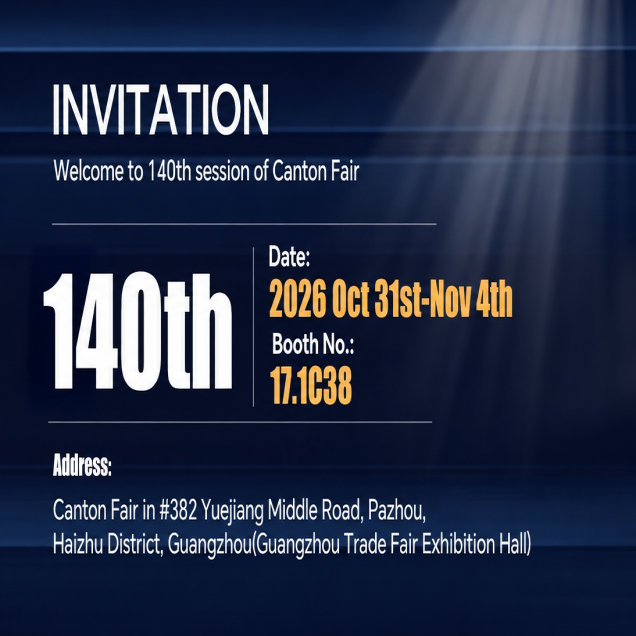
Discover the 2027 Texture Magnetic Collection & Exclusive Exhibition Promotions Dear Global Partners and Valued Clients, We are thrilled to announce that Shenzhen U&U Magnetic Technology Co., Ltd. (Brand: UCMD) will be officially exhibiting...
2026/08/19
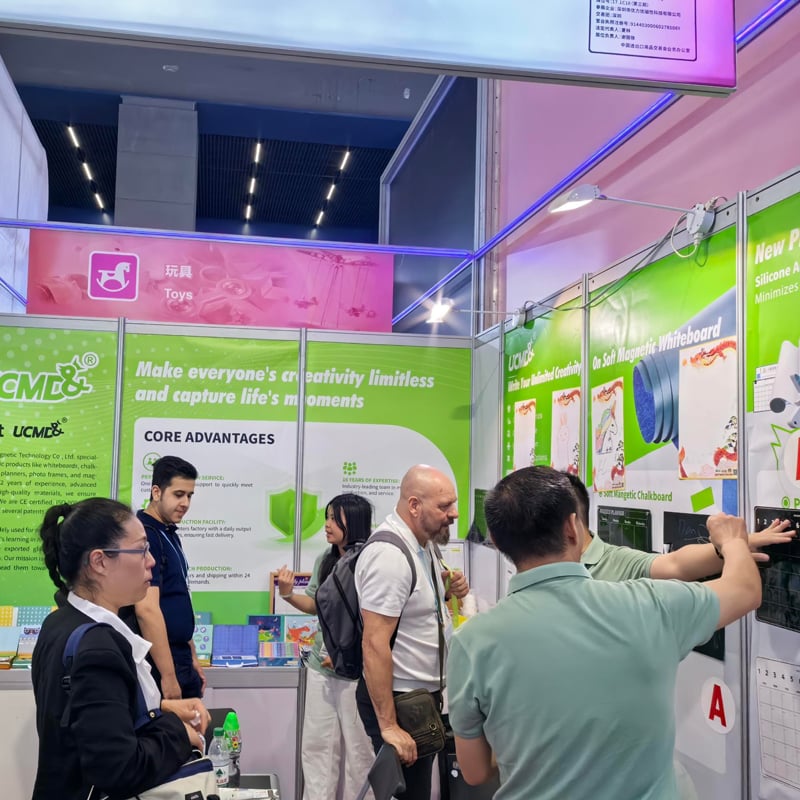
Discover how UCMD® leverages the Canton Fair to showcase magnetic educational & lifestyle products, build global buyer trust, and drive OEM/ODM partnerships. Explore our certified, customizable solutions today.
2026/08/28
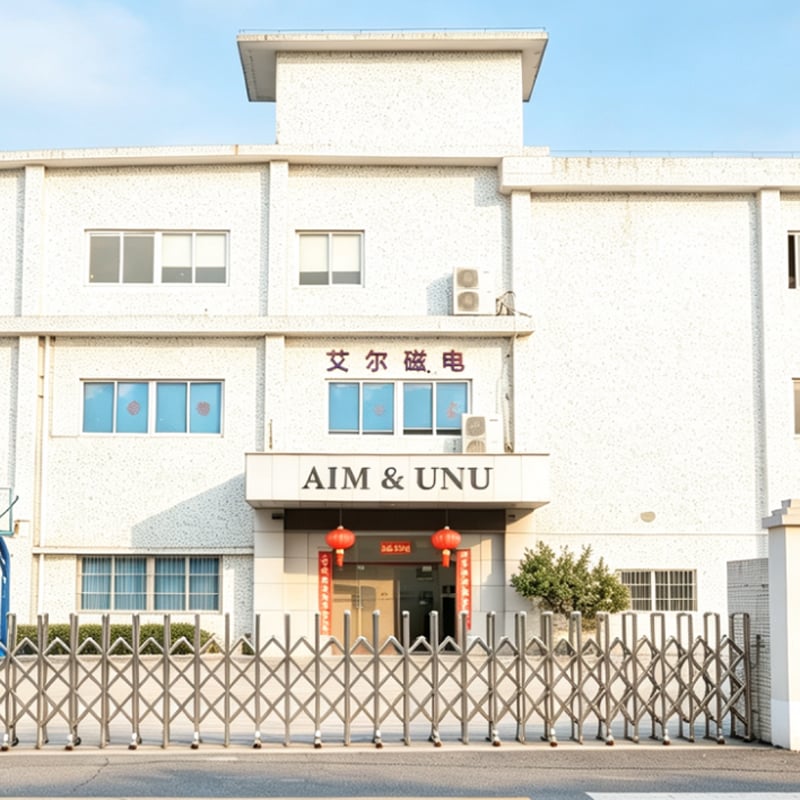
Our Commitment to People, Planet & IntegrityAt ShenZhen U&U Magnetic Technology Co., Ltd. (UCMD®), we believe that how we make our products matters as much as what we make. From our factory floor in Shenzhen's Bao An District to the hands...

Please tell us about your company's advantages and characteristics.

Please tell us about your company's advantages and characteristics.

Please tell us about your company's advantages and characteristics.

Please tell us about your company's advantages and characteristics.

Please tell us about your company's advantages and characteristics.

Please tell us about your company's advantages and characteristics.

